
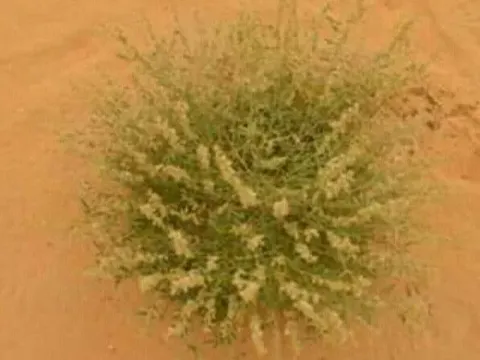
Tephrosia nubica
Tephrosia nubica
Tephrosia nubica is a resilient leguminous crop primarily grown in tropical and subtropical regions. Sowing should be initiated once temperatures are consistently warm, as this species is highly sensitive to cold weather and frost, which can severely hinder development.
What the section contains
Tephrosia nubica
The ideal planting window begins shortly after the first rains of the season. Adequate soil moisture at the time of sowing is crucial for ensuring uniform germination and establishing a strong, deep root system early in the plant's life cycle.
Seeds are typically sown at a depth of 2 to 4 centimeters. In sandy or porous soils, slightly deeper planting is recommended to ensure the seeds access sufficient moisture, whereas heavier soils require shallower placement to avoid poor emergence.
Seed inoculation with specific Rhizobium bacteria is a standard best practice, especially in areas where the crop has not been cultivated before. This process maximizes nitrogen fixation, significantly reducing the need for chemical fertilizers.
Proper spacing between rows is essential for optimal air circulation. Depending on the intended end use—such as green manure or seed production—planting density should be adjusted to allow for adequate foliage development and weed suppression.
Tephrosia nubica excels in arid and semi-arid environments due to its high drought tolerance. It thrives in full sunlight and performs exceptionally well in regions characterized by distinct dry and wet seasons.
Regarding soil preferences, the plant is remarkably undemanding. It can adapt to poor, nutrient-deficient soils, although it prefers well-drained, sandy loams. Heavy clay soils that retain excessive water should be avoided to prevent root diseases.
The species exhibits a degree of tolerance to moderate soil salinity, making it a viable candidate for land reclamation projects. It performs best in a pH range from neutral to slightly acidic, which supports optimal microbial activity in the root zone.
While the plant is hardy, it requires consistent heat to maintain active growth. Fluctuations in temperature can affect its physiological processes, though it quickly recovers once the weather stabilizes, provided that moisture levels are sufficient.
Maintenance involves minimal irrigation only during extreme drought conditions. The deep taproot system allows it to access subsoil water reserves, which is a key trait that makes it a reliable choice for sustainable agriculture.
The primary agricultural value of Tephrosia nubica lies in its biomass production. As a green manure, it contributes significant organic matter to the soil, improving its physical structure and water-holding capacity after incorporation.
Crop yields vary depending on soil fertility and management intensity. When used as a cover crop, it efficiently suppresses weeds, reducing the competitive pressure on subsequent crops and lowering overall farm maintenance costs.
Seed production is another key aspect of its хозяйственного (economic) potential. Harvesting is best conducted when pods reach maturity, as they are naturally evolved to disperse seeds; timely collection is necessary to prevent significant yield losses.
As a source of fodder, the plant provides a nutritious feed for livestock when harvested during the vegetative stage. Its nitrogen-rich composition makes it a valuable supplement in areas where traditional forage crops may struggle.
Long-term soil health benefits are observed when Tephrosia nubica is included in crop rotations, as it naturally cycles nitrogen and helps break pest-host cycles common to other monoculture crops.
Pest management for Tephrosia nubica focuses primarily on controlling common legume pests such as weevils, aphids, and various lepidopteran larvae that target foliage and reproductive parts during the flowering stage.
Fungal diseases like leaf spot and powdery mildew can occur during periods of high humidity or poor air circulation. Proper plant spacing and avoiding waterlogging are the most effective cultural controls for these issues.
Root-knot nematodes are a significant concern if the crop is planted repeatedly on the same plot. Rotating with non-leguminous species is recommended to interrupt the life cycle of these soil-borne parasites.
Virus transmission by insect vectors requires monitoring. Establishing field borders with non-host plants can help mitigate the spread of these pathogens, especially in areas with a history of viral outbreaks.
Integrated Pest Management (IPM) strategies, including the use of botanical insecticides or beneficial insects, are encouraged to protect the crop while maintaining the environmental benefits of the cultivation system.
For green manure purposes, harvest the biomass just as the plants begin to flower. This stage provides the highest concentration of nitrogen and biomass before the stems become overly fibrous and difficult to incorporate into the soil.
When harvesting for seeds, monitor the pods closely. Once they change color and become dry, they must be picked immediately to prevent the natural shattering process that disperses seeds onto the ground.
Mechanical harvesting requires proper adjustment of machine settings to prevent seed cracking. Once harvested, the seeds should be dried in a ventilated area away from direct sunlight to ensure long-term viability and storage stability.
Cleaning the seed lot using winnowing or sieving removes debris and undeveloped seeds, ensuring a high-quality seed bank for future planting cycles or sale.
After the seeds have been collected, the remaining stalks can be utilized as mulch or composted, providing a final return of nutrients back to the field.