
Tephrosia maxima
Tephrosia maxima
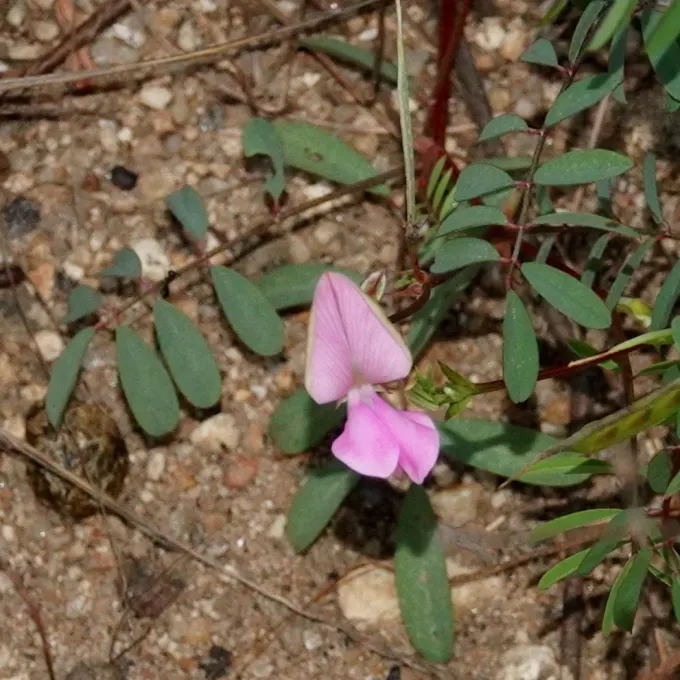
Description
Growing requirements
Tephrosia maxima is a perennial herbaceous plant belonging to the Fabaceae family. It is recognized for its robust root system and its ability to thrive in tropical and subtropical regions, playing a vital role in soil restoration and sustainable agricultural practices.
The plant originates from the tropical zones of Asia and Africa. It prefers well-drained, sandy-loam soils and requires significant solar exposure to achieve optimal biomass production. Its botanical structure is adapted to warm environments where it can leverage rainfall efficiently.
Regarding soil management, Tephrosia maxima is highly valued for its nitrogen-fixing capabilities. By establishing a symbiotic relationship with nitrogen-fixing bacteria, it significantly boosts soil fertility, serving as an excellent green manure crop for subsequent high-demand plantings.
Climate requirements include a stable, warm temperature regime and an adequate growing season. While it exhibits moderate drought resistance, consistent moisture availability is beneficial for achieving the maximum yield of organic matter required for soil mulching.
The plant acts as an effective ground cover, protecting agricultural landscapes from erosion. Its dense canopy reduces the impact of heavy rain on the soil surface, while its deep root structure helps prevent nutrient leaching, making it an essential tool for land management.
Main diseases and pests
Disease management in Tephrosia maxima primarily focuses on preventing fungal infections such as powdery mildew, which can occur during periods of high humidity. Proper field spacing and site selection are crucial to facilitate air circulation and minimize the spread of spores.
Insect pests, including various aphids and weevils, can affect plant growth in early stages. Biological control methods and careful monitoring are recommended to maintain plant health without disrupting the beneficial microfauna that supports the soil ecosystem.
Root rots remain a concern in poorly drained soils. Ensuring that the planting site has good permeability is a fundamental step in preventing these issues and protecting the plant's overall root integrity throughout its growing cycle.
Weed competition can significantly hinder the initial establishment of Tephrosia maxima. Manual weeding or mechanical cultivation in the early stages of development is necessary until the crop canopy is sufficiently developed to suppress rival vegetation on its own.
By implementing proactive crop scouting and adhering to standard agronomic practices, producers can mitigate these threats effectively. A healthy crop of Tephrosia maxima serves as a self-sustaining source of nitrogen and soil protection for any tropical farming operation.