
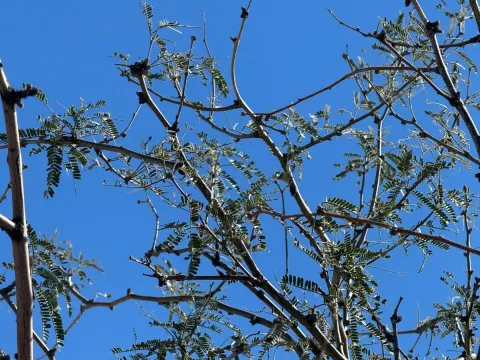
Strombocarpa
Strombocarpa
The sowing period for Strombocarpa is strictly determined by regional climatic conditions, as the crop requires adequate soil temperatures for successful seedling establishment.
What the section contains
 Screwbean mesquite
Strombocarpa pubescens
Screwbean mesquite
Strombocarpa pubescens
 Strombocarpa burkartii
Strombocarpa burkartii
Strombocarpa burkartii
 Strombocarpa ferox
Strombocarpa ferox
Strombocarpa ferox
 Strombocarpa palmeri
Strombocarpa palmeri
Strombocarpa palmeri
 Strombocarpa reptans
Strombocarpa reptans
Strombocarpa reptans
 Strombocarpa strombulifera
Strombocarpa strombulifera
Strombocarpa strombulifera
 Strombocarpa torquata
Strombocarpa torquata
Strombocarpa torquata
 Tamarugo
Strombocarpa tamarugo
Tamarugo
Strombocarpa tamarugo
Strombocarpa
It is recommended to sow seeds in spring when soil temperatures consistently range between 15 and 20 degrees Celsius to ensure rapid germination.
In arid environments, sowing is often synchronized with the onset of the rainy season, allowing the seeds to utilize natural moisture without supplemental irrigation.
Seeds should be planted at a depth of 2 to 4 centimeters, depending on the soil texture, to facilitate proper emergence and root development during the initial growth phase.
Row planting is encouraged to simplify weed management and allow for mechanical maintenance between rows, which significantly benefits the young plants.
Strombocarpa is a genus within the Fabaceae family, highly regarded for its exceptional drought tolerance and its ability to thrive in challenging semi-desert conditions.
The crop prefers well-drained sandy or loamy soils, as it is highly susceptible to root damage caused by waterlogging or poor soil aeration.
Full sun exposure is a mandatory requirement, as the plant needs intense light to achieve its full potential in vegetative growth and subsequent flowering.
Minimal fertilization is usually required due to the plant's symbiotic relationship with nitrogen-fixing bacteria, which enriches the soil naturally.
Farmers must protect the plants from excessive livestock grazing during their early years, as the seedlings are delicate and susceptible to mechanical trampling.
The primary economic use of Strombocarpa involves the production of high-protein forage, which serves as a vital feed source for livestock in arid regions.
The fruit, consisting of spirally coiled pods, provides an energy-dense supplement rich in proteins and carbohydrates, essential for maintaining animal health.
Yield stability increases significantly once the plants reach maturity and establish a deep, extensive root system capable of accessing deep groundwater reservoirs.
Strombocarpa also functions as an important honey plant, providing crucial nectar sources for pollinators during periods when other vegetation is dormant.
Furthermore, the durable wood of this plant is utilized in local industries for fuel, small-scale construction, and the production of rustic handicrafts.
The most common threats to Strombocarpa include seed-eating insects and various pests that specifically target leguminous pods, potentially reducing seed quality.
Young seedlings are often targeted by rodents and small mammals, necessitating protective measures such as fencing or the use of natural repellents.
Fungal diseases, specifically root rots, are uncommon but can occur if the soil remains excessively wet for prolonged periods during the rainy season.
Leaf-feeding insects can cause occasional defoliation, though the plant typically demonstrates strong resilience and a high capacity for seasonal regrowth.
Integrated pest management strategies are recommended to maintain the long-term health of the plantation and ensure consistent productivity over several years.
Harvesting the pods of Strombocarpa occurs once they reach physiological maturity and exhibit a change in texture and color indicating low moisture content.
Mechanical harvesting is feasible for large-scale operations, utilizing equipment adapted for leguminous crops to ensure minimal damage to the pods.
Post-harvest processing involves sun-drying the collected pods on designated platforms to prevent microbial degradation and mold growth during warehouse storage.
If utilizing the plant for green forage, selective pruning is practiced during non-flowering periods to encourage branching and increase future biomass output.
Stored seeds must be kept in clean, dry environments to maintain their nutritional profile and prevent infestation by common grain-storage insects.