
Strombocarpa reptans
Strombocarpa reptans
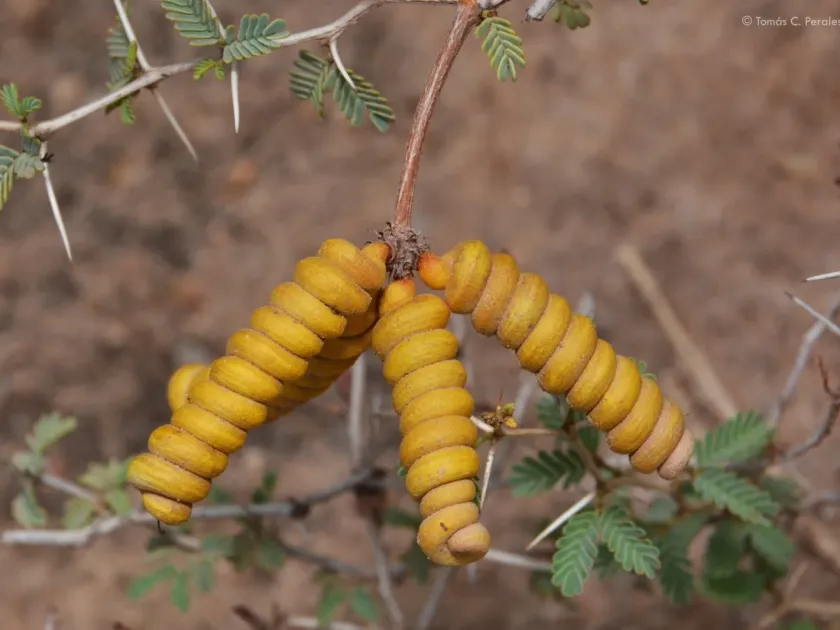
Description
Sowing dates
Strombocarpa reptans, often referred to as creeping mesquite, is a perennial legume with a highly developed root system. While it propagates through seeds, its primary method of colonizing new areas is through extensive underground creeping rhizomes.
Seed germination typically occurs after significant rain events, with the seeds remaining viable in the soil for several years. In an agricultural context, this plant is categorized as a noxious weed that threatens yield in various crop systems.
Growth activity peaks during the warmer months, as the plant is highly thermophilic. Seedlings establish themselves quickly, quickly transitioning to a perennial growth phase that becomes difficult to eradicate.
Agronomic control during the early stages of establishment is critical. Failure to manage the plant before it develops a complex network of rhizomes results in long-term field infestation.
Cultural methods such as competitive planting and cover cropping are sometimes employed to shade out seedlings, although mature stands of Strombocarpa reptans are notoriously resistant to such measures.
Growing requirements
This species is well-adapted to arid and semi-arid environments. It thrives in soils that are often unsuitable for conventional agriculture, including highly saline or alkaline substrates.
Water requirements for the plant are minimal once established, as its deep taproots and extensive lateral rhizomes allow it to access water sources unavailable to most standard field crops.
Temperature tolerance is a defining characteristic of this species. It withstands intense solar radiation and high ambient temperatures that would cause heat stress in most other plants.
Soil structure does not limit its spread significantly; it grows aggressively in both light, sandy soils and heavier clay soils common in basin regions.
The plant demonstrates excellent nutrient acquisition capabilities, particularly nitrogen fixation, which provides a significant ecological advantage in nutrient-depleted agricultural soils.
Main diseases and pests
The plant is resilient to many common agricultural diseases, often serving as a reservoir for viruses or pests that can jump to other crops. This makes its presence in buffer zones particularly problematic.
Natural pests, including various seed-feeding bruchid beetles, can reduce reproductive success, but they are generally insufficient to curb the spread of established vegetative colonies.
Mechanical management, such as deep ripping and frequent cultivation, is necessary to weaken the massive rhizome networks that sustain the plant through dry spells.
Chemical control involving systemic herbicides is widely considered the most effective strategy. Applications are most successful when timed with the plant’s period of maximum nutrient transport to the roots.
Ongoing research focuses on integrated pest management (IPM) strategies to mitigate the impact of Strombocarpa reptans on productivity in pasturelands and irrigated fields.