
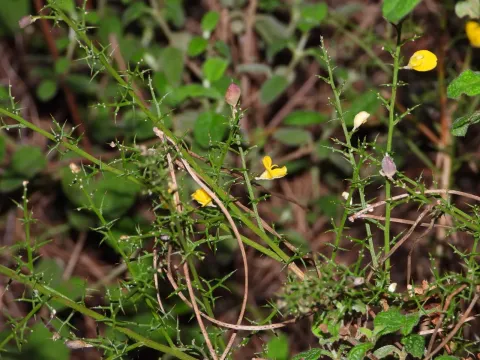
Stauracanthus
Stauracanthus
Stauracanthus, a genus of evergreen shrubs belonging to the Fabaceae family, is typically cultivated in regions with mild maritime or Mediterranean climates. Sowing usually takes place during the autumn or early spring when soil moisture is optimal and temperatures are moderate.
What the section contains


Stauracanthus
Seeds of Stauracanthus possess a hard coat, making pre-sowing treatments such as scarification essential for ensuring uniform germination. Seeds should be sown at a depth of approximately 2–3 cm in a loose, well-drained medium to encourage root development.
Planting in rows is the preferred method, ensuring adequate space between plants to prevent competition for light and nutrients. This spatial arrangement also facilitates easier field management and monitoring throughout the growing season.
During the initial stages of seedling development, maintaining consistent soil moisture is critical. As the root system establishes, the plants become increasingly resilient, but early-stage irrigation remains vital for successful establishment.
The ideal temperature range for germination is between 15 and 20 degrees Celsius. In areas prone to late frosts, spring sowing is highly recommended to protect young seedlings from thermal damage.
This plant is notably hardy and can thrive in nutrient-poor, sandy, or rocky soils, making it an excellent candidate for the reclamation of marginal agricultural lands. It prefers well-drained soils with a neutral or slightly acidic pH level.
Sunlight is a primary requirement for the healthy growth of Stauracanthus; therefore, sites must be chosen with full exposure. Shade-restricted environments often lead to stunted growth and reduced vigor in these shrubs.
While the species is highly drought-tolerant once established, supplemental irrigation during peak growth periods can significantly improve biomass production. Poor drainage and waterlogged conditions must be avoided to maintain root health.
Minimal fertilization, specifically with potassium and phosphorus, can support the plant's metabolic processes and floral development. Over-application of nitrogen should be avoided, as it can discourage the symbiosis with nitrogen-fixing bacteria.
Climate is the primary limiting factor for cultivation, as Stauracanthus is sensitive to prolonged periods of freezing temperatures. Protecting plants from severe frost is necessary for their long-term survival and productivity.
Fungal diseases, particularly powdery mildew, are the most frequent threats, especially in humid conditions with poor air circulation. These diseases can cause significant leaf damage if left unchecked, potentially reducing the overall quality of the stand.
Common insect pests include weevils and aphids, which feed on the tender young tissues and leaves of the shrubs. Monitoring for these pests in the spring is recommended to allow for timely intervention.
Root rot is a significant risk when plants are grown in heavy or compacted soils that retain excessive water. Improving soil aeration through mechanical cultivation or soil amendments is a key preventive strategy.
Caterpillars of certain lepidopteran species may also cause localized damage to the foliage during the summer months. Biological controls, such as beneficial insect releases, are often preferred over broad-spectrum pesticides.
Sanitation practices, such as removing dead or infected plant debris, are crucial for disease prevention. Maintaining plant health through proper spacing and moisture management remains the most effective defense against widespread infestations.