
Screwbean mesquite
Strombocarpa pubescens
Description
Growing requirements
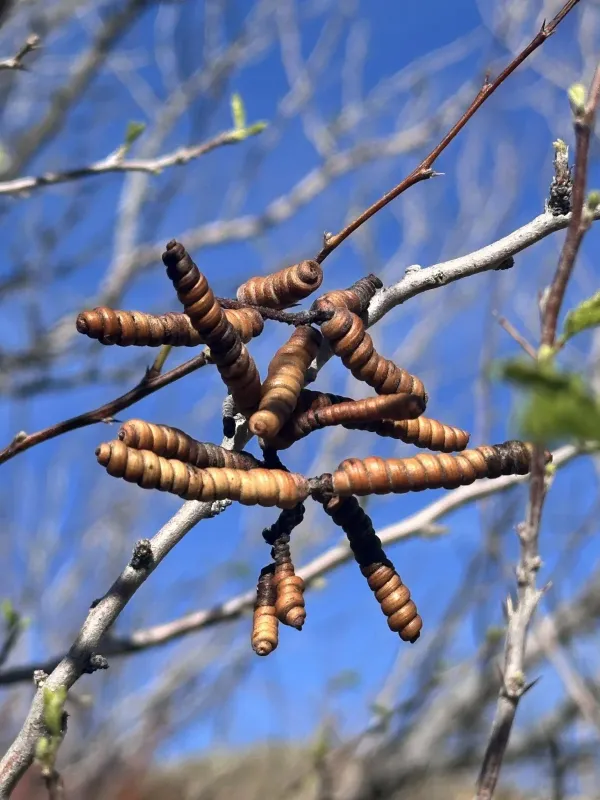
Screwbean mesquite, scientifically known as Strombocarpa pubescens, is a leguminous shrub or small tree native to the arid regions of North America. It is recognized for its unique coiled, screw-like pods, which give the plant its distinctive common name.
The plant thrives in floodplains and desert basins where it can access deep groundwater. Its remarkable ability to survive in environments with extreme temperatures and periodic droughts makes it a subject of interest for sustainable agriculture.
Optimal growth requires full sun exposure and well-drained soils. The plant is highly salt-tolerant, which allows it to thrive in saline habitats where other commercial crops fail, contributing to landscape stabilization.
Agronomic management involves maintaining healthy nitrogen-fixing nodules at the roots. By cultivating this plant, farmers can improve soil quality in degraded arid lands, as it naturally cycles nutrients back into the ecosystem.
The economic utility of the screwbean mesquite is vast, ranging from livestock forage and honey production to the use of its dense, durable wood in fine woodworking and as a traditional craft material.
Main diseases and pests
The primary threats to Strombocarpa pubescens are seed beetles, which often infest the ripening screw-like pods. This damage can severely reduce the viability of harvested seeds intended for propagation.
Fungal diseases, particularly root rots, can emerge if the soil remains waterlogged for extended periods. Ensuring good irrigation management and soil aeration is critical to preventing such outbreaks in agricultural settings.
Leaf-feeding insects, including certain species of grasshoppers, can occasionally damage young seedlings, leading to reduced growth rates. Regular monitoring of the foliage is recommended to avoid large-scale infestations.
Environmental stress, such as unseasonable frosts, can damage terminal buds and reduce the annual yield of pods. Protecting young plants during their first winter is essential for long-term plantation success.
Implementing integrated pest management practices, such as encouraging natural predators and avoiding chemical overuse, helps maintain the health of the orchard while ensuring the safety of the forage harvest.