
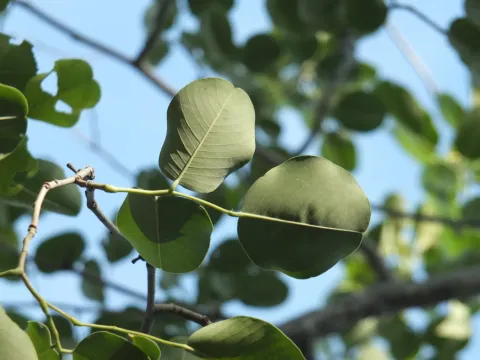
Red sandalwood
Pterocarpus santalinus
Red sandalwood (Pterocarpus santalinus) is a prominent species within the Fabaceae family. Native to the tropical forests of South India, this tree is highly prized for its dark red, dense, and fragrant heartwood which has been harvested for centuries.
What the section contains
Red sandalwood
The tree thrives in semi-arid tropical climates, requiring plenty of sunlight and well-drained rocky or gravelly soil. It is particularly well-adapted to undulating terrain where the water table is not too high, as the species is sensitive to waterlogging.
Cultivation requires specific conditions: temperatures between 25°C and 40°C are ideal. While the tree is drought-tolerant once established, saplings require supplemental irrigation during their first few years to ensure proper root development.
In terms of agricultural practice, weeding and thinning are necessary during the early stages of growth to reduce competition. Proper site selection is crucial as the species does not perform well in highly saline or water-saturated soils.
Planting density is generally managed to allow for maximum growth of the main stem, as the commercial value is tied to the size and quality of the heartwood. It is a long-term investment, with maturity reaching several decades.
The primary yield is the heartwood, which is dense enough to sink in water. It is a highly sought-after material for fine cabinet-making, intricate wood carving, and traditional medicines in various cultures.
Beyond the wood itself, the tree produces extracts containing santalin, a natural red pigment. This extract finds widespread application in the cosmetic industry for high-end skincare and coloring formulations.
The species is susceptible to various pests, including leaf-eating larvae and stem-boring insects. Integrated pest management strategies are often required to maintain tree health without damaging the quality of the timber.
Root rot is a significant disease resulting from poor drainage or excessive soil moisture. Once established, this condition can kill mature trees, making drainage management the top priority for any plantation owner.
Wild animals, such as deer and rodents, pose a major threat to young plantations by damaging bark and tender shoots. Secure fencing of the planting area is essential to prevent such physical damage.
Illegal poaching represents a severe threat to commercial operations due to the extreme market price of the timber. Security and surveillance infrastructure are required as part of the operational expenditure.
Climate instability, particularly excessive rainfall during typically dry seasons, can lead to increased vulnerability to fungal pathogens. Monitoring and early intervention are key to protecting the crop's long-term value.