
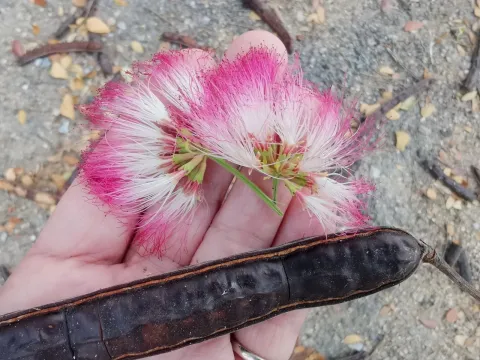
Rain tree
Samanea
The Rain tree (Samanea saman), a member of the Fabaceae family, is a massive, spreading tree native to tropical regions of the Americas. It is widely recognized for its enormous umbrella-shaped canopy, which provides significant shade in tropical environments.
What the section contains


Rain tree
The species thrives in warm climates, requiring temperatures between 20°C and 30°C. It is strictly sensitive to frost, which limits its commercial cultivation to tropical and subtropical zones where thermal conditions remain stable year-round.
In terms of soil requirements, Samanea saman is highly adaptable. It performs well in various soil types, including those with low nutrient content, as it establishes symbiotic relationships with nitrogen-fixing bacteria to enrich the surrounding soil.
A distinctive botanical feature is the movement of its leaves, which fold up at night or during rainfall. This natural mechanism allows light and water to reach the ground level, maintaining healthy pasture conditions underneath the tree canopy.
Proper agronomic practice for Samanea involves providing ample space for its expansive root and branch systems. It is most effectively utilized in silvopastoral systems, where it supports livestock and promotes ecosystem resilience.
Samanea is primarily valued for its forage production. The pods are rich in carbohydrates and proteins, serving as a high-energy feed supplement for cattle and other ruminants, especially during dry seasons when grass growth is limited.
The timber of the Rain tree is a significant economic asset. It is prized for its attractive, dark-colored wood, which is durable, resistant to decay, and highly suitable for high-quality furniture, architectural woodwork, and fine carving.
Beyond direct output, the tree significantly contributes to soil restoration. The high nitrogen content in the leaf litter provides organic fertilizer, boosting the productivity of companion crops or pasture grasses within the agroforestry system.
Annual yields of pods can reach substantial quantities, often exceeding hundreds of kilograms per mature tree. This makes it an efficient species for integrated farming operations focused on sustainable livestock management.
The tree's ability to retain soil moisture and prevent erosion is an indirect but vital yield factor. By mitigating heat stress for animals and plants, it creates a favorable microclimate that enhances total farm productivity.
While generally hardy, Samanea can be affected by wood-rotting fungi if exposed to excessive moisture or poor drainage conditions. Maintaining proper airflow through the canopy is essential to prevent these fungal infections.
Seed-boring insects, such as bruchid beetles, are common pests that can destroy a large portion of the potential crop if not managed. Timely harvesting of the pods is a critical measure to reduce pest-related losses.
Young seedlings face threats from herbivorous animals and invasive weeds. Protective measures, including physical fencing and weed suppression, are necessary during the early stages of establishment.
Root diseases may occur in waterlogged soil, emphasizing the need for selecting sites with good drainage properties. Proper site selection is the primary defense against systemic health issues in the orchard.
Monitoring for common tropical pests and maintaining clear sanitation practices by removing dead or dying branches helps keep the tree population healthy and productive over its long lifespan.