
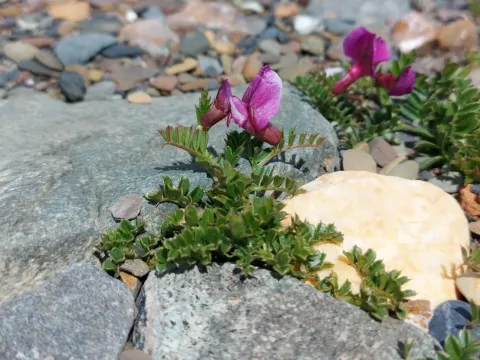
Pyrenean vetch
Vicia pyrenaica
Pyrenean vetch (Vicia pyrenaica) is a perennial legume recognized for its hardiness and suitability for cultivation in cooler, high-altitude climates. It serves as a vital component in sustainable forage systems.
What the section contains
Pyrenean vetch
Sowing is best performed in early spring when soil temperatures reach approximately 5–8 degrees Celsius. Adequate soil moisture is critical during the initial germination phase to ensure a uniform crop stand.
Seeds should be sown at a depth of 2–4 centimeters. Using a drill-seeding method promotes optimal spatial arrangement, reducing plant competition and encouraging vigorous early growth of the legume.
This species is characterized by strong regenerative capacity after winter, allowing for multiple years of continuous use within pasture or hayfield environments without the need for annual replanting.
Proper plant density is essential for success. Growers should adjust seeding rates based on site-specific soil characteristics and local environmental pressures to maximize establishment success.
Vicia pyrenaica thrives in well-drained, fertile soils with a pH ranging from neutral to slightly acidic. It is particularly well-adapted to the variable conditions found in mountainous terrain.
Climatic requirements focus on a temperate growing season with reliable rainfall during the flowering stage. The plant demonstrates high tolerance to late spring frosts, a major advantage for highland agriculture.
Successful cultivation depends on the presence of specific rhizobial bacteria in the soil to facilitate nitrogen fixation. Inoculation of seeds before planting is highly recommended for improved performance.
The plant performs best in full sunlight but can tolerate partial shade in natural grassland compositions. Poorly drained or waterlogged soils are detrimental to root health and overall development.
Consistent moisture throughout the growing season helps the plant store enough nutrients to survive winter dormancy, ensuring high productivity in subsequent years.
The productivity of Pyrenean vetch is largely determined by soil nutrient status, specifically phosphorus and potassium levels. As a high-protein forage, it significantly contributes to livestock nutrition.
It is commonly integrated into mixed pastures to enhance the dietary quality of forage. Its nitrogen-fixing capabilities also benefit neighboring grass species, creating a balanced and productive ecosystem.
The nutritional profile of Vicia pyrenaica remains relatively stable even as the plant matures, providing a wider window for harvest compared to other forage legumes.
- High crude protein content improves animal feed conversion ratios.
- Good palatability ensures high consumption rates by cattle and sheep.
- Sustainable regrowth cycles allow for multiple cuts per season under favorable conditions.
Yields are generally consistent over several years, provided that grazing pressure is managed correctly to prevent excessive thinning of the stand.
Fungal diseases, such as anthracnose and various rust species, pose the greatest threat to Pyrenean vetch, especially during periods of prolonged high humidity and low air circulation.
Insect pests, including root-damaging clover root curculios and aphids, can cause significant damage by weakening the plant and reducing its photosynthetic efficiency.
Integrated Pest Management (IPM) strategies, including field sanitation and crop rotation, are essential to mitigate the impact of these threats without relying exclusively on chemical interventions.
Vigilance is required during the early growth stages to ensure the crop is not overtaken by aggressive weeds, which can compete for vital resources like water and nutrients.
Regular field monitoring after the snow melts is recommended to assess overwintering success and detect any early pest outbreaks before they escalate into significant economic losses.
For high-quality hay production, harvesting should take place during the peak flowering stage. This timing captures the highest concentrations of digestible protein and essential micronutrients.
Seed harvesting should be timed to coincide with the browning of the pods, taking care to avoid shattering. Losses can be minimized by cutting when pods are dry but not yet fully dehiscent.
Mechanical harvesting requires gentle handling to preserve the nutrient-dense leaves. Once cut, the forage should be spread to dry evenly, preventing moisture pockets that lead to spoilage.
Proper storage is a critical final step. Hay should be stored in ventilated, moisture-free conditions to prevent mold growth, heating, and the subsequent degradation of organic nutrients.
Following these harvest protocols ensures that the final forage product retains its color, aroma, and feed value throughout the winter feeding period for livestock.