
Neptunia dimorphanta
Neptunia dimorphanta
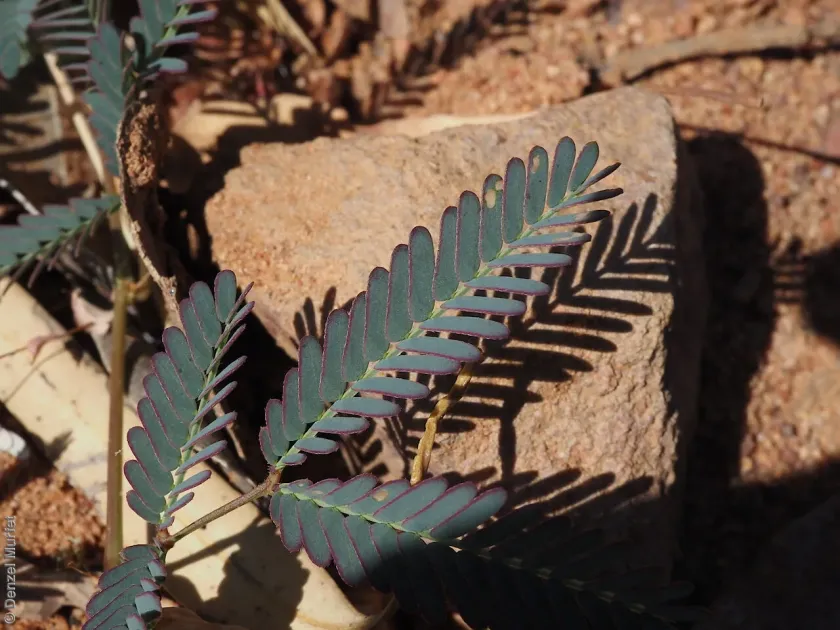
Description
Growing requirements
Neptunia dimorphanta is a species of flowering plant in the Fabaceae family, recognized for its role as an efficient nitrogen-fixing legume. This plant is well-adapted to tropical environments where it plays a significant part in local ecosystems and soil nutrient cycles.
The origin of Neptunia dimorphanta is traced back to tropical regions where it thrives in moist, heavy soils. It is highly valued for its ability to persist in diverse soil types, ranging from clay loams to more silty substrates that retain essential moisture throughout the growing season.
Climate requirements include a warm, frost-free environment to ensure continuous growth. The plant demonstrates high sensitivity to cold temperatures, requiring consistent warmth to maximize its biomass production and nitrogen-fixing capabilities.
Regarding agrotechnology, irrigation management is critical. While the plant can withstand temporary flooding, it performs best with consistent moisture levels. Proper soil preparation and moderate seeding depths contribute to optimal emergence and early plant vigor.
The agricultural usage of this species is largely centered on its value as a green manure crop and a protein-rich forage source. By integrating Neptunia dimorphanta into cropping systems, farmers can improve soil fertility, thereby reducing the dependency on synthetic chemical fertilizers.
Main diseases and pests
The primary threats to Neptunia dimorphanta include fungal pathogens that exploit high-humidity environments. Leaf spot and rust diseases can occur if canopy ventilation is inadequate, requiring careful monitoring during the active growth phases.
Pest pressure often comes from specialized insects that target leguminous species. Foliage-feeding larvae and sap-sucking insects such as aphids can cause localized damage, necessitating targeted biological control strategies where appropriate.
Soil-borne pathogens like nematodes can weaken the root system, ultimately reducing the plant's efficiency in nitrogen fixation. Crop rotation practices are strongly recommended to disrupt the life cycles of these common agricultural pests.
Nutrient imbalances, particularly phosphorus or micronutrient deficiencies, can render the plants more susceptible to secondary environmental stresses. A balanced fertilization program tailored to soil test results is essential for maintaining robust crop health.
Weed competition during the establishment phase is a major challenge, as the species may struggle to compete for sunlight in its infancy. Implementing timely mechanical weed management is standard practice to ensure the crop gains a competitive advantage over weeds.