
Neptunia plena
Neptunia plena
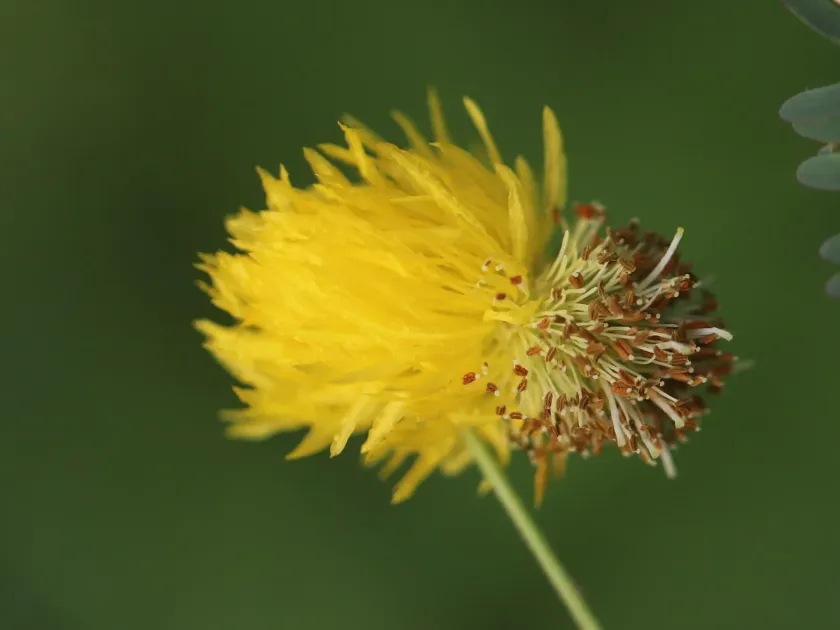
Description
Growing requirements
Neptunia plena is a fascinating perennial species belonging to the Fabaceae (legume) family. Native to tropical regions of the Americas, this plant is specifically adapted to wet and aquatic environments, often thriving in marshes, swamps, and along the banks of freshwater systems.
Botanically, it is known for its delicate, bipinnate leaves that exhibit thigmonasty, meaning they fold in response to physical touch. The plant develops specialized buoyant stems filled with spongy aerenchyma tissue, allowing it to float on the water surface while its roots anchor into the substrate.
To cultivate this species successfully, a tropical climate is essential. It requires full sun exposure and warm temperatures, ideally between 22°C and 30°C. It is highly intolerant of frost, making it a strictly tropical or seasonal summer crop in cooler geographic regions.
Soil requirements involve nutrient-rich, silty, or muddy substrates. One of the primary agricultural advantages of Neptunia plena is its ability to fix atmospheric nitrogen through symbiotic relationships with Rhizobium bacteria, which improves soil fertility in its immediate growing vicinity.
Hostile conditions for the plant include stagnant water without oxygenation and highly acidic soils. In agricultural settings, it is valued for its rapid biomass production, acting as an excellent nitrogen-rich green manure and a sustainable fodder source for livestock in tropical farming systems.
Main diseases and pests
The primary threats to Neptunia plena are fungal pathogens, specifically those causing root rot and stem decay. These issues are exacerbated in stagnant water or low-light conditions where the plant's natural defense mechanisms are weakened by poor overall health.
Insect pests such as leaf-eating caterpillars and aphids can cause significant damage to the foliage. Integrated pest management, focusing on biological controls and maintaining water quality, is the most effective way to manage these threats in a commercial or experimental setting.