
Neptunia gracilis
Neptunia gracilis
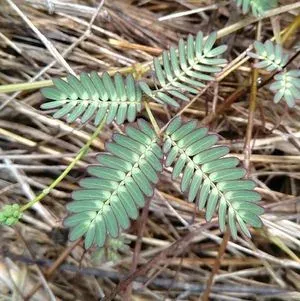
Description
Growing requirements
Neptunia gracilis is a perennial herbaceous plant belonging to the Fabaceae family. Native primarily to the arid and semi-arid regions of Australia, this species is well-regarded for its resilience and ability to thrive in challenging environmental conditions where other forage crops might fail.
The plant demonstrates a strong preference for well-drained soils, ranging from sandy loams to heavier clay-based soils, provided they are not waterlogged. Its deep root system allows it to access moisture from lower soil horizons, contributing to its drought tolerance during the dry season.
As a legume, Neptunia gracilis plays a crucial role in nitrogen fixation. By forming symbiotic relationships with specific rhizobia, the plant contributes to the overall nitrogen cycle of the soil, making it an excellent candidate for ecological restoration and sustainable pasture improvement.
Climatic requirements are focused on high solar radiation and warmth. The plant exhibits high heat tolerance and is best suited for open ecosystems where competition for light is minimal. It generally performs best in environments with defined seasonal rainfall patterns.
In terms of agricultural utility, it serves as a valuable component of native grazing lands. Livestock readily consume the foliage, which provides a necessary protein boost, especially in environments where grasses lose their nutritional value during the peak of the heat.