
Neptunia pubescens
Neptunia pubescens
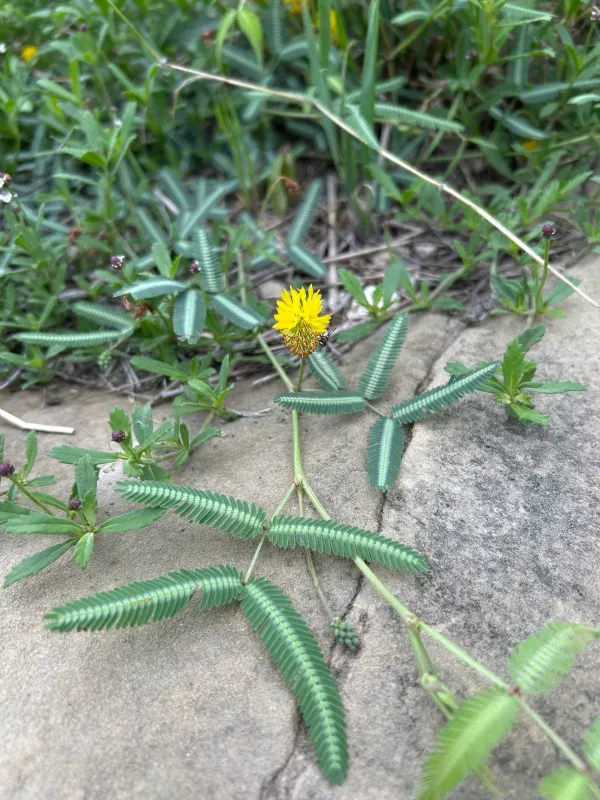
Description
Sowing dates
Neptunia pubescens, a member of the Fabaceae family, is a herbaceous perennial known for its resilient growth habit. The ideal time for sowing is at the beginning of the rainy season to capitalize on moisture levels that favor germination.
Given the hard seed coat characteristic of many legumes, mechanical scarification is recommended before planting to ensure uniform and rapid emergence of seedlings across the field.
Seeds should be sown at a shallow depth of approximately 1–2 cm, followed by light irrigation to establish immediate contact between the seed and the soil particles.
For pastoral purposes, a higher seeding rate is utilized to ensure dense ground cover, which helps in suppressing weed growth and maximizing biomass production for livestock grazing.
When grown for seed production, row spacing should be adjusted to allow for adequate ventilation and easy access during cultivation and harvesting procedures.
Growing requirements
This species thrives in full sun and requires unobstructed light exposure to maintain healthy foliage density and robust stem structure throughout its growth cycle.
Neptunia pubescens is adaptable to various soil types, including sandy and alluvial soils, provided there is adequate drainage to prevent waterlogging, which the plant poorly tolerates.
The optimal temperature for metabolic activity and growth ranges between +22°C and +30°C, reflecting its adaptation to warm tropical and subtropical environments.
While relatively drought-tolerant once established, supplemental irrigation during prolonged dry spells significantly enhances the yield and quality of the green forage.
The plant possesses the ability to fix atmospheric nitrogen via symbiotic bacteria, which contributes to soil enrichment and makes it an excellent choice for sustainable agroforestry systems.
Main diseases and pests
Root rot caused by poor soil drainage represents the primary threat to stands of Neptunia pubescens, particularly during periods of excessive rainfall or flooding.
Defoliating insects, including various species of caterpillars and beetles, pose a recurring challenge that can reduce photosynthetic capacity if not monitored effectively.
Fungal pathogens such as powdery mildew may develop during humid weather, necessitating adequate spacing between plants to improve airflow and reduce microclimate humidity.
Root-knot nematodes can impact plant vigor by disrupting water and nutrient transport, leading to localized yellowing and stunted growth of the crop.
Effective management strategies include integrating crop rotation cycles and removing debris after harvest to prevent the buildup of soil-borne pathogens in the agricultural area.