
Maackia fauriei
Maackia fauriei
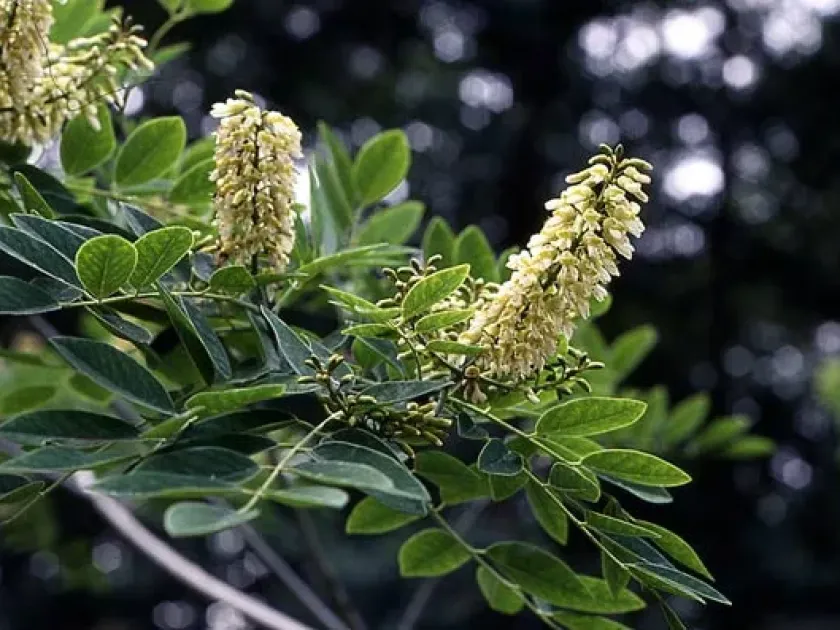
Description
Growing requirements
Maackia fauriei is a deciduous tree or shrub belonging to the Fabaceae family. It is recognized for its elegant foliage and attractive growth habit, making it a desirable species for botanical gardens and ornamental landscapes.
Originating from the Korean peninsula, this species is adapted to temperate climates. It thrives in open, sunny environments where it can receive ample light to support its dense leaf production and seasonal flowering.
Successful cultivation requires well-drained, fertile soil. While the species is relatively drought-tolerant once established, it responds positively to consistent soil moisture during the peak summer growing season.
The agrotechnical management involves choosing a site protected from harsh, desiccating winds. It is recommended to maintain a neutral to slightly acidic soil pH to ensure optimal nutrient uptake by the roots.
Beyond its ornamental appeal, Maackia fauriei serves as an important honey-producing plant. Its flowers attract a variety of pollinators, contributing to the overall ecological balance of the planting site.
Main diseases and pests
One of the key advantages of Maackia fauriei is its natural resistance to many common pests and diseases. This hardiness makes it a low-maintenance choice for sustainable and professional landscape management.
The most significant threat to the health of this tree is waterlogged soil. Excess moisture can lead to root rot, especially in poorly drained clay soils, which can jeopardize the long-term survival of the plant.
Aphids may occasionally infest young, tender shoots during the spring. Monitoring is essential, and minor infestations can usually be managed with gentle water sprays or organic horticultural oils.
Avoid planting the tree in locations where the stem might be damaged by machinery. Any wounds to the bark create entry points for pathogens, potentially leading to wood decay and weakened branch structure.
Overall, maintaining proper airflow and avoiding excessive nitrogen fertilization—which promotes overly succulent growth prone to pests—is the best strategy for preventing major threats to this resilient species.