
Machaerium
Machaerium stipitatum
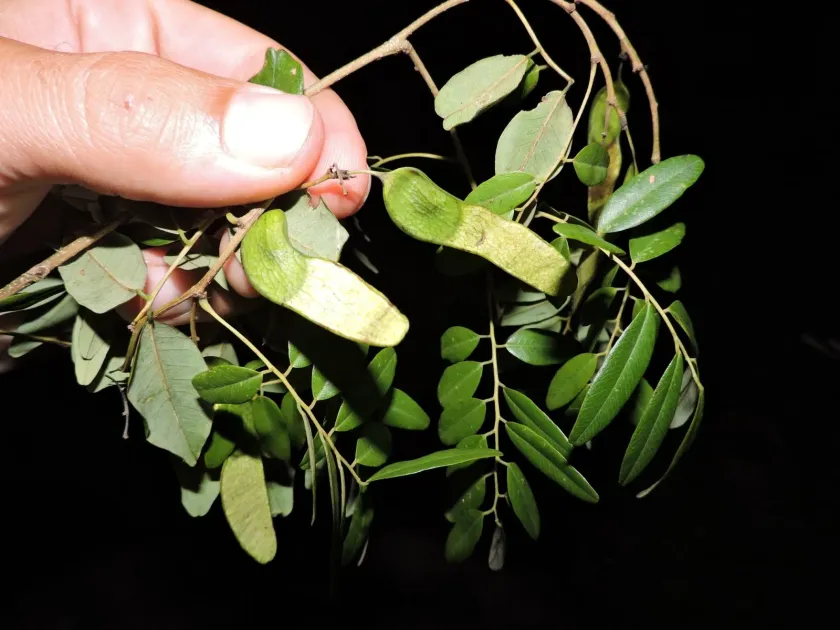
Description
Growing requirements
Machaerium stipitatum is a perennial woody plant belonging to the Fabaceae family. Native to tropical regions of Central and South America, this tree is highly regarded for its biological properties and wood quality.
The climate requirements include a tropical environment with consistent temperatures throughout the year. It thrives in regions where frost is completely absent and where sunlight exposure is maximized.
Regarding soil preferences, it prefers deep, well-drained loamy soils. Good soil aeration is essential, as the roots are sensitive to waterlogging, especially during the early stages of plant development.
Cultivation practices involve regular monitoring of soil moisture levels. While mature trees possess a degree of drought tolerance, establishing young plantations requires consistent water availability.
Agronomical management focuses on weed suppression during the first few years of growth. Ensuring that seedlings are not overshadowed by invasive species allows the tree to reach its full growth potential.
Harvesting
The primary economic use of Machaerium is the production of high-density, durable timber. This wood is prized for its strength, resistance to decay, and unique aesthetic qualities in furniture manufacturing.
Harvesting techniques involve selective felling once trees reach their maturity diameter. Proper post-harvest treatment, including controlled seasoning, is necessary to maintain the structural integrity of the timber.
In addition to timber production, the species is frequently utilized in agroforestry systems. Its nitrogen-fixing capability makes it a valuable component for rehabilitating degraded agricultural lands.
Windbreaks created with this species help to mitigate soil erosion on farms. By diversifying land use with Machaerium, producers achieve a balance between environmental protection and timber supply.
- High-quality lumber for interior design.
- Sustainable reforestation initiatives.
- Soil nitrogen level improvement.