
Machaerium acutifolium
Machaerium acutifolium
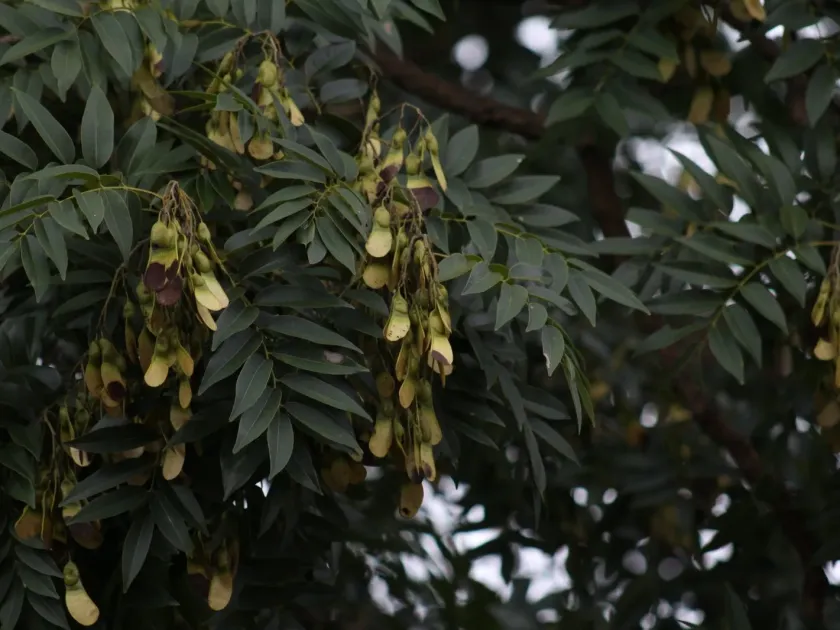
Description
Growing requirements
Machaerium acutifolium is a perennial tree species belonging to the Fabaceae family. Native to South American tropical landscapes, it is highly valued for its robust wood properties and ecological role.
The plant thrives in well-drained soils, showing a preference for loamy and slightly acidic substrates. It is well-adapted to savanna-like climates where seasonal changes in moisture define the growth cycle.
Optimal development requires full sun exposure, as the species is intolerant of shade. Adequate spacing during planting is essential to ensure proper air circulation and to minimize competition between individual trees.
Botanically, it is characterized by pinnate foliage and sharp stipules that provide a defense mechanism. As a legume, it contributes to nitrogen fixation in the soil, enhancing nutrient levels for neighboring vegetation in agroforestry systems.
Economically, the wood of this species is prized for its density and durability. It is widely used in high-quality furniture making, fine woodwork, and structural applications in its native regions.
Main diseases and pests
The primary agricultural threats to this crop include soil-borne fungal pathogens that target the root system, particularly in poorly drained or waterlogged environments.
Wood-boring insects represent a significant challenge to mature plantations, as their activity can compromise the structural integrity and market value of the harvested timber.
Defoliating insects can occasionally cause significant stress to younger trees, reducing their photosynthetic capacity and overall growth rate during the peak season.
Termite populations present a persistent risk in tropical areas, requiring preventative measures in the management of young saplings and nursery stock.
Implementing integrated pest management strategies, including the thinning of dense stands and removing diseased plant material, is crucial for maintaining a healthy and productive stand.