
Machaerium amplum
Machaerium amplum
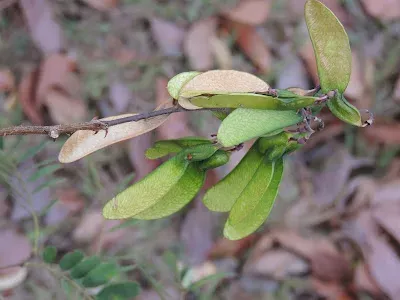
Description
Growing requirements
Machaerium amplum is a tropical tree species belonging to the Fabaceae family. It is recognized for its robust growth and the high quality of its wood, making it a valuable candidate for silviculture in specific tropical zones.
The tree thrives in climates characterized by consistent warmth and abundant rainfall. It requires high humidity levels for optimal development, especially during the juvenile stage of the plantation cycle.
Regarding soil requirements, it prefers well-drained, nutrient-rich soils. While the species is somewhat adaptable, it performs best in deep, fertile soils that prevent root saturation and allow for efficient nutrient uptake.
Agrotechnical management involves regular thinning to ensure that individual trees have enough space for crown expansion. As a legume, it may have nitrogen-fixing properties that assist in maintaining soil fertility over time.
The economic value of this crop is derived from its timber, which is prized for its durability and aesthetic appeal. It is commonly utilized in high-end cabinetry, flooring, and furniture manufacturing due to its density.
Main diseases and pests
The primary threats to Machaerium amplum include specialized wood-boring beetles that target both standing timber and recently harvested logs. Integrated pest management strategies are essential to protect the long-term value of the crop.
Fungal pathogens represent a significant risk, particularly in high-density plantings with poor air circulation. These diseases can lead to stem rot and significantly reduce the structural integrity of the wood.
Leaf-eating insects can cause defoliation in young saplings, which stunts growth and delays the harvesting cycle. Targeted insecticide applications are employed when pest population thresholds are exceeded.
Environmental stress, such as extreme flooding or prolonged droughts, can weaken the immune system of the trees, making them more susceptible to opportunistic pathogens. Proper site selection and water management are critical preventive measures.
Sanitation practices, including the removal of infected plant debris from the site, are necessary to prevent the spread of soil-borne pathogens. Maintaining a clean cultivation environment significantly reduces the need for heavy chemical treatments.