
Machaerium scleroxylon
Machaerium scleroxylon
Description
Growing requirements
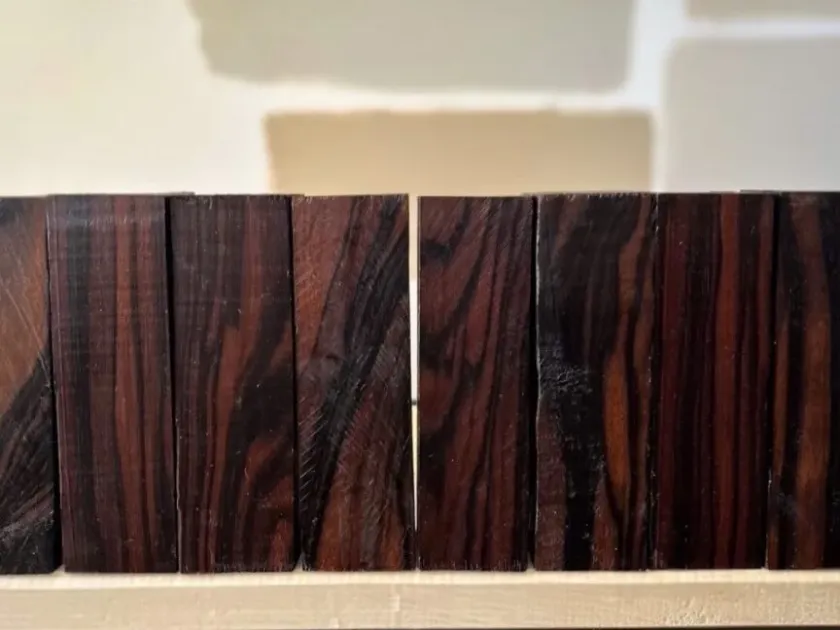
Machaerium scleroxylon is a significant tree species belonging to the Fabaceae family. It is widely recognized in the timber industry for producing a premium quality wood commonly known as Santos rosewood, which is highly valued for its physical properties and aesthetic appeal.
The tree is native to the tropical regions of South America, primarily within Brazil. It thrives in environments characterized by high temperatures and significant rainfall, requiring a tropical climate to achieve its full growth potential and develop its characteristic dense wood structure.
Regarding soil requirements, this species demands deep, fertile, and well-drained substrates. It cannot tolerate waterlogging, so selecting sites with excellent soil aeration is essential for preventing root-related issues and ensuring the steady growth of the tree stands.
The botanical profile of the tree includes compound leaves and a robust root system capable of supporting a large canopy. As a leguminous species, it may contribute to soil nitrogen cycling, although it is primarily managed for its high-density timber, which is exceptionally durable.
Hostile harvesting of this wood is strictly regulated, leading to the development of sustainable plantations. The primary industrial applications include high-end furniture manufacturing, the production of acoustic guitar backs and sides, and fine joinery where color and hardness are prioritized.
Main diseases and pests
Fungal infections of the root system represent a major threat to Machaerium scleroxylon, especially in regions with excessive precipitation or poor drainage. Protecting the roots from pathogen accumulation is vital for the long-term viability of plantation forestry.
Boring insects and wood-attacking pests are perhaps the most significant threat to the value of the harvested timber. These organisms tunnel into the heartwood, creating galleries that compromise the structural integrity and aesthetic value of the wood, rendering it unsuitable for luxury markets.
During the seedling and sapling stages, competition from aggressive weeds and invasive grasses can severely stunt growth. Mechanical weeding and mulching are necessary interventions during the first few years to ensure the young trees have sufficient access to sunlight and soil nutrients.
Defoliating insects can occasionally cause outbreaks that affect the photosynthetic capacity of the trees. While mature trees are generally resilient, significant leaf loss can slow down the annual growth increments, directly impacting the rotation length of the timber crop.
Environmental stressors such as prolonged droughts can weaken the trees' natural defenses, making them more susceptible to opportunistic diseases. Implementing integrated pest management (IPM) strategies, which prioritize preventative measures and minimal chemical usage, is the current standard for responsible cultivation.