
Machaerium tobagense
Machaerium tobagense
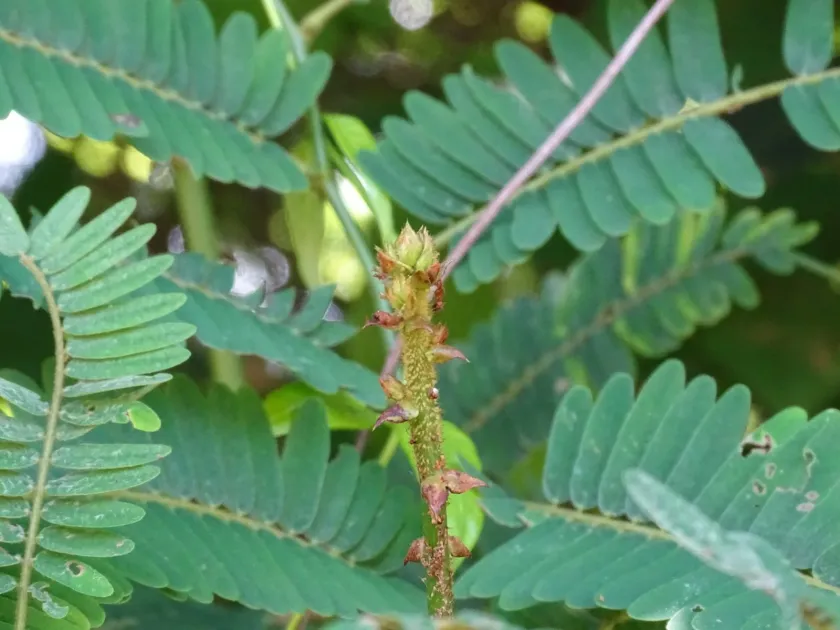
Description
Growing requirements
Machaerium tobagense is a woody perennial belonging to the Fabaceae family, primarily native to the tropical ecosystems of Tobago and the Caribbean region.
The species thrives under strictly tropical climatic conditions, requiring high mean temperatures and a lack of frost throughout the entire growing season.
Optimal soil requirements include well-draining substrates, as the plant is highly susceptible to root decay if water stagnation occurs in the root zone.
The crop demonstrates a strong preference for high solar radiation, making open or semi-open canopy locations the most suitable for successful development.
Good soil aeration is critical for this species, as it contributes significantly to the health and structural integrity of the root system during the growth period.
Harvesting
The primary economic value of Machaerium tobagense lies in its high-quality timber, which is sought after for its density and aesthetic wood grain.
Harvesting strategies are based on long-term forestry cycles due to the relatively slow growth rate of the species compared to fast-growing exotic timbers.
Post-harvest processing involves careful seasoning and drying to prevent warping or checking, ensuring the longevity of the final wood products.
The wood is frequently utilized in high-end cabinetry and decorative woodwork, where the distinct physical properties of the species are highly appreciated.
Beyond timber production, the species contributes to soil health through nitrogen fixation, serving as an ecologically beneficial component in native reforestation projects.