
Machaerium villosum
Machaerium villosum
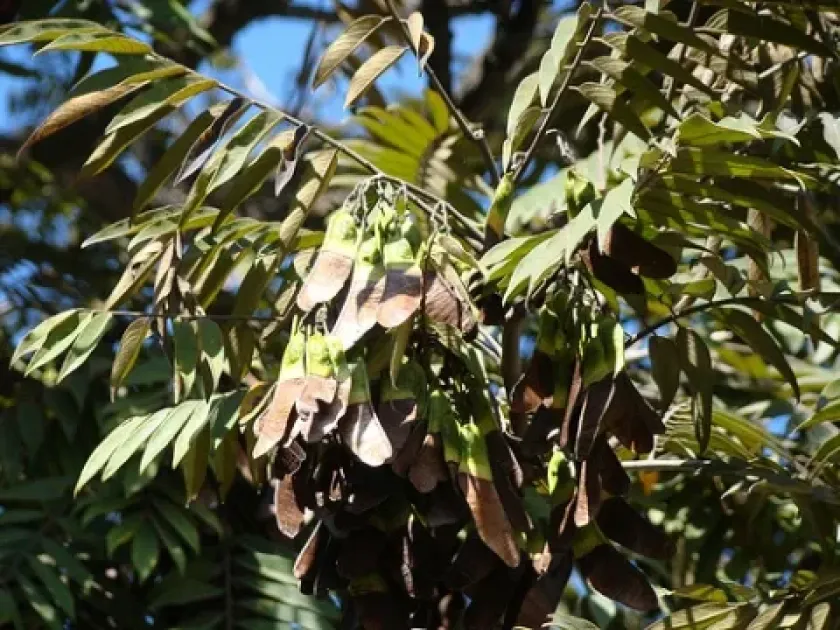
Description
Growing requirements
Machaerium villosum is a notable species within the Fabaceae family, native to the tropical regions of South America. It is highly valued for its dense, durable wood, often sought after by the furniture and musical instrument manufacturing industries for its aesthetic beauty.
The tree thrives in fertile, well-draining soils that provide ample nutrients for its growth. It requires a stable tropical climate without the risk of frost, as the species is highly sensitive to cold temperatures which can lead to significant physiological stress or mortality.
Water requirements include a consistent supply of moisture, particularly during the juvenile phase. However, the root system is susceptible to waterlogging, necessitating careful site selection to ensure adequate soil drainage and prevent the development of root-related disorders.
Agro-technical management involves selective thinning and careful pruning to promote the development of a long, clear trunk. As a legume, Machaerium villosum has the potential to enrich the soil with nitrogen, which makes it an excellent candidate for sustainable agroforestry systems.
The primary economic value lies in its timber, which is dense and possesses a fine texture. Its resistance to decay and physical strength make it a premium material for turning, carving, and crafting bespoke furniture pieces that stand the test of time.
Main diseases and pests
Fungal diseases constitute a major threat in humid tropical conditions, particularly when air circulation around the canopy is poor. These pathogens can affect both foliage and wood, necessitating proper spacing between individual trees to promote ventilation.
Wood-boring insects present a persistent challenge to commercial forestry. By tunneling through the trunk, these pests significantly reduce the structural integrity and market value of the harvested timber, requiring constant monitoring.
Seedlings in nursery environments are often vulnerable to herbivorous insects. Implementing integrated pest management strategies, such as using protective netting or biological controls, is essential to ensure high survival rates in the initial stages of planting.
Weed control is critical during the first few years of growth. Competing vegetation can quickly stifle young trees, robbing them of essential water and sunlight, therefore regular weeding and organic mulching are recommended practices.
Sanitation practices, including the removal of dead or infected branches, help in maintaining the overall health of the stand. Proactive management reduces the likelihood of spreading infections and ensures a more uniform and high-quality yield at harvest time.