
Machaerium nigrum
Machaerium nigrum
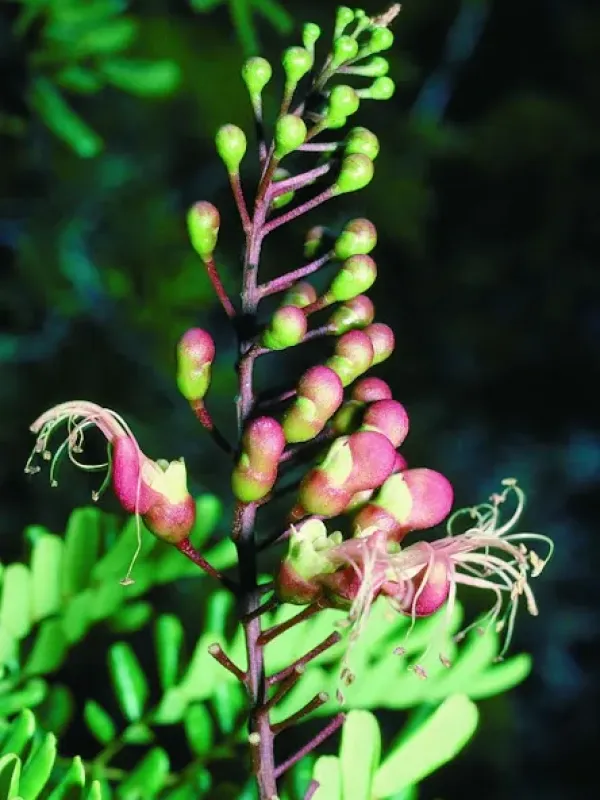
Description
Growing requirements
Machaerium nigrum, belonging to the Fabaceae family, is a distinct hardwood tree native to the tropical forests of South America. This species is highly regarded for its dense, dark, and exceptionally durable timber, which is often utilized in high-end cabinetry and decorative woodwork.
The tree thrives in tropical climates characterized by high annual rainfall and consistent temperatures throughout the year. It requires a humid environment to maintain active growth, making it well-suited for regions that emulate its native South American rainforest habitat.
Regarding soil conditions, Machaerium nigrum demands deep, well-draining, and nutrient-rich soils. It does not tolerate waterlogging, as the root system is sensitive to anoxia. Fertile, loamy, or volcanic soils typically provide the best conditions for its long-term development.
Agricultural practices for this species focus on providing adequate shade during the seedling stage, which mimics the natural understory growth pattern. As the tree matures, its requirement for light increases, necessitating careful management of canopy cover to ensure healthy development.
Maintenance involves periodic monitoring of tree spacing to prevent resource competition. Because the species grows relatively slowly, it is often considered a long-term investment in sustainable forestry, requiring patience and a dedicated approach to land stewardship.
Main diseases and pests
Machaerium nigrum is susceptible to various fungal pathogens, especially when grown in plantations with insufficient air circulation. Root rot and leaf spot diseases are common, often exacerbated by stagnant water or excessively high relative humidity levels in crowded areas.
Insect pests, including borers and leaf-miners, represent a major challenge for timber quality. These organisms can penetrate the wood tissue, leaving galleries that compromise the structural integrity and aesthetic value of the high-quality heartwood that the species is known for.
Invasive weed species can significantly hinder growth during the early stages of plantation development. Effective weed control programs are essential to reduce competition for soil nutrients and water, which is vital for the establishment of vigorous saplings.
Environmental stress, such as prolonged drought periods, weakens the natural defense mechanisms of the tree. This makes it more susceptible to opportunistic pathogens and secondary infestations by pests that thrive on stressed plant tissue.
Integrated Pest Management (IPM) is the recommended approach for this crop. By maintaining high biodiversity within the plantation and utilizing biological control agents, growers can significantly reduce the need for chemical interventions and protect the ecosystem.