
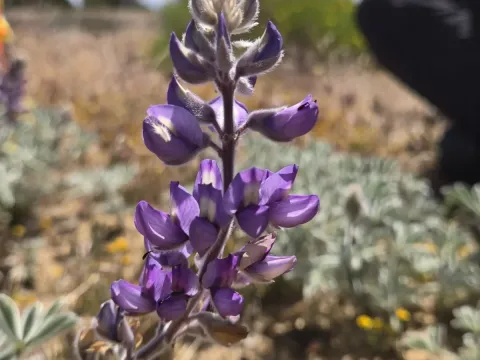
Lupinus formosus
Lupinus formosus
The sowing of Lupinus formosus requires careful preparation of the seedbed to ensure uniform germination. Typically, seeds are sown in early spring when the soil temperature has stabilized, allowing for consistent growth during the cool early stages.
What the section contains
Lupinus formosus
The ideal planting depth for this legume is between 3 and 5 centimeters, depending on soil texture. Proper depth ensures the seed remains in contact with moisture while avoiding excessive burial that can impede seedling emergence.
Seeding rates should be adjusted based on the intended use of the crop, whether for forage, green manure, or seed production. A density that balances competition with weeds and individual plant vigor is essential for success.
Inoculation of seeds with appropriate rhizobial strains prior to sowing is highly recommended. This practice ensures effective nitrogen fixation, which significantly reduces the need for supplemental nitrogen fertilization throughout the growing season.
Post-sowing management includes light rolling if the soil is loose to improve seed-to-soil contact. This practice is crucial in areas where rainfall is unpredictable shortly after planting.
Lupinus formosus is a perennial member of the Fabaceae family, well-adapted to environments that offer good drainage. Its deep taproot system allows it to access water deep within the soil profile, making it a resilient choice for drought-prone regions.
The crop thrives in well-aerated, sandy-loam soils. It is highly intolerant of waterlogged conditions, which often result in root rot and poor development. Providing adequate drainage is the most important factor in site selection.
Lupinus formosus requires full sun exposure to maintain its growth habit and reproductive capacity. Shading from surrounding vegetation should be avoided, as it leads to etiolation and a marked decrease in biomass production.
The plant prefers slightly acidic to neutral soil pH levels. It does not perform well in highly alkaline or calcareous soils, where nutrient availability can become restricted and hinder plant physiological functions.
As a nitrogen-fixing legume, it plays an important role in soil regeneration. By incorporating its biomass into the soil, farmers can naturally improve the nitrogen content and structural integrity of their fields.
Fungal diseases represent the primary threat to Lupinus formosus production. Anthracnose and Fusarium wilt are common pathogens that can cause significant damage, especially in seasons characterized by high humidity and frequent rainfall.
Insect pests, including the pea leaf weevil and various aphid species, frequently target this crop. These pests can cause direct damage to foliage or act as vectors for viral diseases that reduce overall plant vigor.
Integrated Pest Management (IPM) is essential for controlling these issues. Implementing a proper crop rotation cycle helps reduce the buildup of soil-borne pathogens and breaks the life cycle of specialized insects.
Chemical control via fungicides or insecticides should only be employed when scouting indicates that pest levels have exceeded economic thresholds. Early detection of symptoms like leaf curling or chlorosis is vital for timely intervention.
Removing plant debris after harvest can help reduce the overwintering population of pathogens. Sanitation and proper crop rotation remain the most effective long-term strategies for managing these threats.