
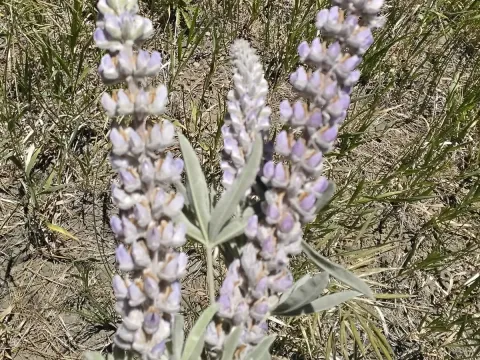
Lupinus leucophyllus
Lupinus leucophyllus
The sowing of Lupinus leucophyllus is best carried out in the early spring as soon as the soil reaches physical maturity. The species is highly tolerant to cool temperatures, allowing planting to commence when soil temperatures at seed depth are as low as 5–6 degrees Celsius.
What the section contains
Lupinus leucophyllus
Seeds are typically placed at a depth of 3 to 4 centimeters, depending on soil type and moisture conditions. Early planting is vital to capitalize on residual winter moisture, which ensures uniform germination and robust root system development before the onset of summer heat.
The seeding rate is calculated based on the intended use of the crop, usually ranging from 0.8 to 1.2 million viable seeds per hectare. Higher densities are preferred for green biomass production, while lower densities are more suitable for seed crop multiplication.
Inoculation of seeds with specific strains of rhizobia bacteria is an essential step in the sowing technology. This process facilitates effective nitrogen fixation, significantly reducing the reliance on synthetic nitrogen fertilizers and boosting overall crop productivity.
Technological requirements also include maintaining strict row spacing to facilitate weed control and efficient harvest operations. Proper planting technique ensures that the crop maintains a competitive advantage against weeds during the early vegetative growth stages.
Lupinus leucophyllus, a member of the Fabaceae family, requires well-lit conditions and moderate moisture to achieve optimal development. It thrives in temperate climate zones, showing a preference for regions with distinct, but not overly harsh, growing seasons.
The plant performs best in light-textured soils such as sandy loams or loamy sands. It is essential that the soil possesses good aeration, as the root system of the lupine is sensitive to waterlogging and soil compaction, which can impede growth and nitrogen-fixing efficiency.
The species is equipped with a deep taproot that allows it to access nutrients from deeper soil layers, often making it an excellent candidate for crop rotation. It helps to improve soil structure and fertility for subsequent crops due to its high biomass and root activity.
While the crop is generally resilient, it prefers neutral to slightly acidic soil conditions. Proper soil management, including liming in cases of high acidity, is recommended to ensure the optimal environment for the associated nitrogen-fixing bacteria.
The plant is sensitive to excessive heat during the flowering stage, which can negatively affect pod set and seed filling. Providing adequate nutrition, particularly phosphorus and potassium, is crucial for strengthening the plant against environmental stressors.
Fungal diseases, including anthracnose, Fusarium wilt, and gray mold, pose the most significant threat to Lupinus leucophyllus cultivation. These pathogens thrive in humid conditions and can lead to severe yield losses if management practices are neglected.
Common pests include the lupine weevil, bean seed fly, and various species of aphids. Weevils are particularly dangerous in the seedling stage as they feed on cotyledons and leaves, often necessitating intensive monitoring and control measures during the initial weeks of growth.
Integrated Pest Management (IPM) strategies, including seed treatment with fungicides and insecticides, are critical for minimizing early-season damage. Crop rotation with a interval of at least 4-5 years is highly effective in breaking the infection cycle of soil-borne pathogens.
Maintaining clean fields free from weeds is another essential management practice, as many weeds act as secondary hosts for both viral diseases and harmful insects. Timely harvest also helps in reducing the window of opportunity for pest populations to multiply.
When chemical control is necessary, it is vital to use systemic insecticides according to established safety protocols. Increasingly, the use of biological control agents is being implemented to sustain ecological health and support natural predator populations within the field.