
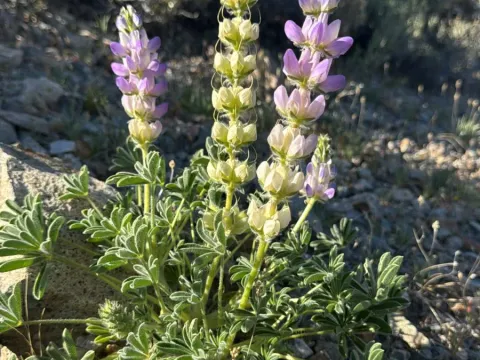
Lupinus microcarpus
Lupinus microcarpus
Lupinus microcarpus is an annual herbaceous plant belonging to the Fabaceae family. It is a drought-tolerant crop typically sown in early spring as soon as the soil reaches temperatures of 5–8 degrees Celsius.
What the section contains
Lupinus microcarpus
Sowing is performed in rows with a spacing of 15 to 30 cm, depending on whether the crop is intended for seed production or green manure. The optimal seeding depth is 3–4 cm, adjusted for soil texture.
Ensuring uniform seed distribution is vital for achieving high biomass yields. The seeding rate varies by regional conditions but generally ranges from 1.0 to 1.5 million viable seeds per hectare.
A critical factor during sowing is the presence of specific Bradyrhizobium root nodule bacteria in the soil. Seed inoculation before planting significantly enhances the plant's ability to fix atmospheric nitrogen.
The crop is characterized by rapid initial growth, which allows it to compete effectively with weeds when maintained at the correct plant density.
Lupinus microcarpus prefers light, well-drained sandy or sandy loam soils with a pH between 5.0 and 6.5. It is extremely sensitive to waterlogging and poor drainage, which can lead to the development of root rot diseases.
This plant is highly adaptable to moisture deficits, making it a valuable crop for regions with erratic rainfall. It effectively accesses deep moisture reserves due to its robust taproot system.
The crop is moderately demanding regarding temperature; it tolerates spring frosts well, but stable temperatures during the flowering and pod-setting phases are critical for success.
Mineral nutrition requirements primarily involve ensuring sufficient phosphorus and potassium levels. Nitrogen fertilizers are generally not recommended because the plant meets its own nitrogen needs through symbiotic bacteria.
Light exposure is a critical factor: Lupinus microcarpus is highly photophilic, and shaded conditions significantly reduce biomass production and seed quality.
The agricultural use of Lupinus microcarpus encompasses high-protein forage production and its application as a green manure (cover crop). Under favorable conditions, green biomass yields can reach 30–40 tons per hectare.
When grown for grain, yields typically range from 1.5 to 2.5 tons per hectare. Lupin grain is notable for its high crude protein content (up to 35–40%), making it a valuable component in animal feed.
Alkaloid content is an important aspect of quality. Modern breeding varieties have reduced alkaloid levels, allowing the meal and cake derived from the seeds to be used in livestock feed without restriction.
The root system of the plant can mobilize soil phosphorus, converting it into available forms, which improves overall soil fertility for subsequent crops in the rotation.
The overall economic viability of the crop is often determined not just by the direct harvest, but by significant savings on mineral nitrogen fertilizers applied to winter cereals following the lupin.
Major diseases affecting the crop include anthracnose, fusarium wilt, and various leaf spots. High humidity and poor crop rotation practices facilitate the spread of these infections.
Lupin pests include the lupin pod borer, aphids, and weevils, which can significantly reduce seed yields. Managing these requires monitoring fields during the budding and flowering phases.
- Anthracnose — affects stems and pods, causing twisting and necrosis.
- Fusarium — manifests as yellowing and wilting of the plants.
- Lupin weevil — damages seedlings by feeding on leaf margins.
- Aphids — sap-sucking insects that also act as vectors for viral diseases.
To minimize risks, it is recommended to maintain spatial isolation from old lupin fields and to use treated (dressed) planting material.
Chemical protection must be strictly regulated and applied during periods that avoid negative impacts on beneficial pollinators, such as bees and bumblebees.
Harvesting for green manure is conducted during the flowering stage when nitrogen concentration in plant tissues is at its peak. At this time, the biomass is most succulent and decomposes easily in the soil.
Harvesting for seeds requires extreme care, as lupin pods are prone to shattering if left in the field too long. The optimal phase is when the seeds become hard and the pod valves take on their characteristic mature color.
Direct combine harvesting is the preferred method, although in regions with high humidity, swathing may be used to dry the crop before threshing.
It is important to monitor threshing quality: excessive cylinder speed can lead to seed splitting, which diminishes both seed germination rates and commercial value.
Post-harvest processing includes cleaning the seeds of impurities and drying them to a moisture content of no more than 14% to ensure the longevity of the seed stock until the next season.