
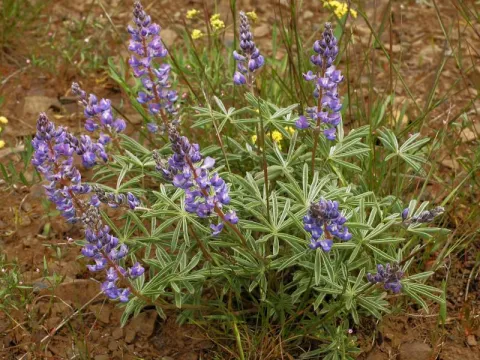
Lupinus laxiflorus
Lupinus laxiflorus
Lupinus laxiflorus, commonly known as the spurred lupine, is a perennial plant species belonging to the Fabaceae family. It is native to the western regions of North America, where it thrives in open meadows and forest clearings.
What the section contains
Lupinus laxiflorus
This crop is highly valued for its biological nitrogen fixation capability, which significantly enhances soil fertility. Its root system is robust and capable of penetrating deeper soil horizons to improve aeration.
The species requires well-drained, light-textured soils. It performs best in environments where there is no waterlogging, as excessive moisture often leads to root rot and poor development of nitrogen-fixing nodules.
Climatically, it is adapted to temperate zones, showing good tolerance to variations in temperature during the growing season. Adequate sunlight exposure is critical for the production of biomass and high-quality seeds.
In modern agricultural systems, it serves as an excellent green manure and forage crop, contributing to sustainable farming practices by reducing the dependency on synthetic nitrogen inputs.
Like many legumes, Lupinus laxiflorus is susceptible to fungal diseases such as anthracnose and Fusarium wilt, which can cause significant damage in high-humidity environments.
Pest pressures primarily include aphid infestations and various species of seed weevils, which can reduce yield potential and seed viability if left unmanaged.
Crop rotation strategies are essential to manage soil-borne pathogens and break the lifecycle of pests that overwinter in the field residues.
Implementing a balanced fertilizer program and ensuring appropriate plant spacing helps to improve air circulation within the canopy, thereby reducing the risk of fungal outbreaks.
Farmers are advised to use certified disease-free seeds and monitor fields regularly to maintain crop health and ensure the long-term productivity of the lupine stands.