
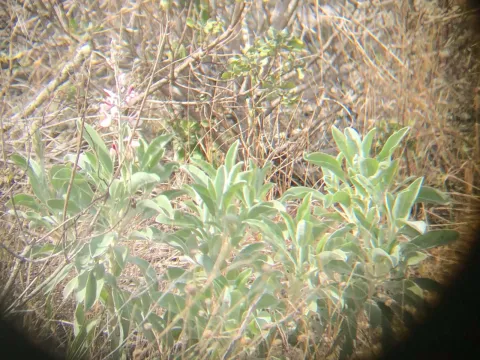
Lupinus aridorum
Lupinus aridorum
Lupinus aridorum, commonly known as the scrub lupine, belongs to the Fabaceae family and is recognized for its adaptation to arid sandy environments. Sowing should commence in early spring once the soil temperature is consistently above 5–8 degrees Celsius.
What the section contains
Lupinus aridorum
Successful establishment requires shallow seed placement at a depth of 2 to 4 centimeters. Due to the nature of its seeds, proper preparation such as scarification or inoculation with specific rhizobia is recommended for maximum nitrogen-fixing efficiency.
Standard agronomic practices suggest row spacing that allows for adequate airflow and weed control. Since the plant is slow-growing in its initial stages, preventing early weed competition is vital for its long-term development.
Spacing density should be adjusted based on whether the crop is intended for seed production or green manure purposes. Proper plant spacing ensures that each individual plant has sufficient resources for branching.
Crop rotation is mandatory to maintain soil health, as this species should ideally not be planted in the same field for consecutive years to avoid soil-borne pathogen buildup.
This species thrives in nutrient-poor, sandy, and well-draining soils. It is particularly valued for its ability to grow in environments where typical agricultural crops fail due to poor fertility.
Lupinus aridorum is highly drought-tolerant, utilizing a deep taproot to reach moisture levels deeper in the soil profile. It performs best in full sunlight and does not tolerate competition from taller vegetation.
Soil pH should ideally be near-neutral or slightly acidic. While the plant fixes its own atmospheric nitrogen, applications of phosphorus and potassium may be beneficial in extremely depleted soil types.
Minimal soil tillage is encouraged to protect the delicate structure of sandy soils and to prevent wind erosion before the lupine canopy covers the ground effectively.
Irrigation is generally unnecessary except under extreme conditions, as the plant is evolved to cope with limited water availability through efficient transpiration regulation.
The primary threats include fungal diseases like anthracnose, especially prevalent in high humidity conditions, which can quickly degrade plant vigor and seed quality.
Insect pests, such as aphids and lupine weevils, can cause significant damage to the plant by consuming foliage or attacking the developing flowers and pods.
Integrated pest management strategies are recommended, focusing on early scouting and selective insecticide usage that minimizes harm to beneficial pollinating insects.
Maintaining high hygiene standards in the field, including the removal of infected debris and the use of certified pathogen-free seeds, is the first line of defense against outbreaks.
Monitoring for signs of wilting or discoloration is essential during the flowering and pod-filling stages to address potential disease vectors as early as possible.