
Silver birdsfoot trefoil
Lotus argyrodes
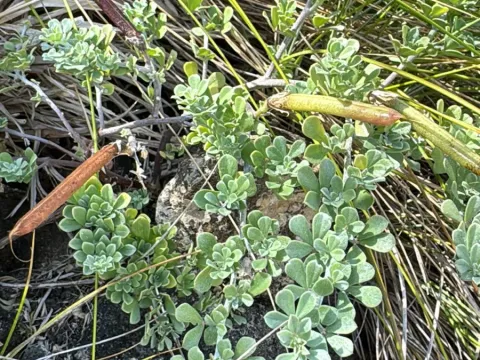
Silver birdsfoot trefoil (Lotus argyrodes) is a perennial legume species belonging to the Fabaceae family. It is known for its remarkable ability to thrive in arid and semi-arid environments, making it a valuable subject for research in sustainable agriculture.
What the section contains
Silver birdsfoot trefoil
The plant exhibits unique xerophytic characteristics, most notably the dense silvery hairs covering its leaves. This structural adaptation effectively reduces water loss through transpiration and protects the plant from intense solar radiation in open habitats.
Cultivation of this species requires well-drained, sandy, or rocky soil textures to prevent root rot. It performs poorly in heavy, clay-rich soils that retain too much moisture, highlighting the need for selecting sites with excellent hydraulic conductivity.
In terms of climate, the plant prefers warm conditions with distinct dry periods. It is highly resistant to drought once established, which allows it to persist in regions where other forage legumes would fail to thrive due to water stress.
Agricultural management should focus on maintaining adequate spacing to ensure sufficient airflow and light penetration. While it is not a heavy feeder, nitrogen fixation by root nodules supports the plant's growth even in nutrient-poor substrates, aiding in soil health improvement.
Root rot, primarily caused by excessive soil moisture, is the most common threat to the health of silver birdsfoot trefoil. This fungal condition can lead to rapid wilting and plant mortality, especially during periods of unseasonable high rainfall.
Leaf-chewing insects, particularly certain types of weevils, can significantly reduce foliage density during the early development stages. If left uncontrolled, these pests can cause stunted growth and reduce the overall biomass yield of the crop.
Powdery mildew is a potential threat when planting densities are too high or when humidity levels rise unexpectedly. Proper crop rotation and maintaining adequate distance between rows serve as effective strategies for minimizing disease spread.
Nematode infestations can occasionally affect root system functionality, especially when the crop is grown continuously in the same field. Integrating grass species into the rotation cycle helps in managing soil-borne pest populations effectively.
Integrated pest management (IPM) is essential for sustainable production. Regular monitoring of the field and the use of certified, disease-free seeds provide a strong foundation for a healthy crop throughout the entire growing season.