
Silver sainfoin
Onobrychis argentea
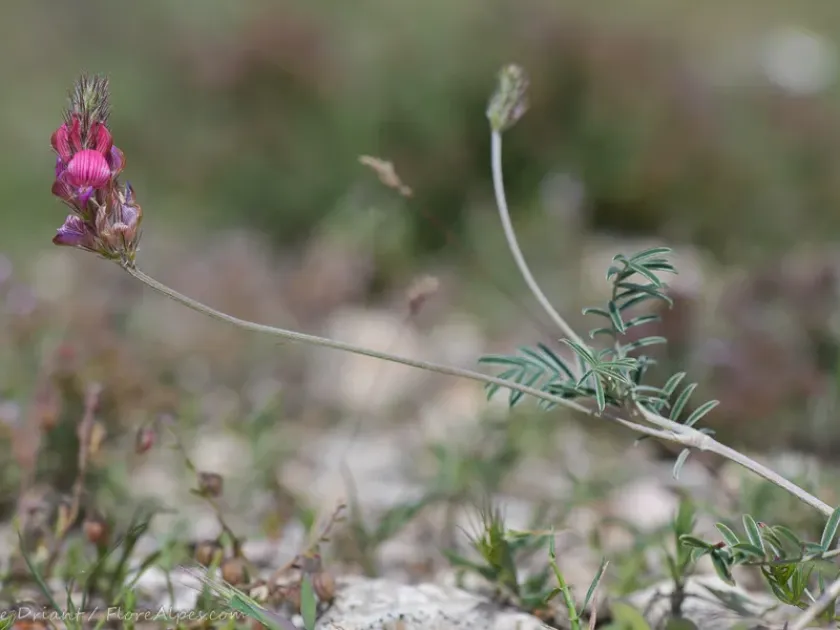
Description
Growing requirements
Silver sainfoin (Onobrychis argentea) is a perennial herbaceous plant belonging to the Fabaceae family, prized for its exceptional ability to thrive in harsh environments.
This species is native to specific mountainous and steppe regions, where it has evolved to tolerate extreme dryness, rocky substrates, and nutrient-poor, alkaline soils.
The crop requires excellent drainage; it does not tolerate waterlogged conditions, which frequently cause root rot and reduce overall stand longevity in the field.
It acts as a crucial soil improver, utilizing its deep taproot system to stabilize slopes and contributing nitrogen to the soil through symbiotic nitrogen fixation.
In terms of agricultural suitability, Silver sainfoin is highly valued as a forage source in areas where conventional crops struggle due to limited rainfall and poor soil quality.
Main diseases and pests
The primary biotic threats to this crop include various species of weevils that damage reproductive structures, negatively impacting the potential for seed production.
Fungal pathogens such as powdery mildew can be problematic during seasons with high atmospheric humidity, affecting the quality of the foliage for livestock.
Root rot diseases are more prevalent in soils with poor aeration, often exacerbated by stagnant water or excessively heavy soil textures during the dormant period.
Integrated pest management strategies are advised, emphasizing crop rotation and selecting resistant genotypes to mitigate losses from typical soil-borne pathogens.
Regular field inspections during the early growth stages are essential to identify pest outbreaks early, ensuring that appropriate interventions can be implemented timely.