
Lotus arabicus
Lotus arabicus
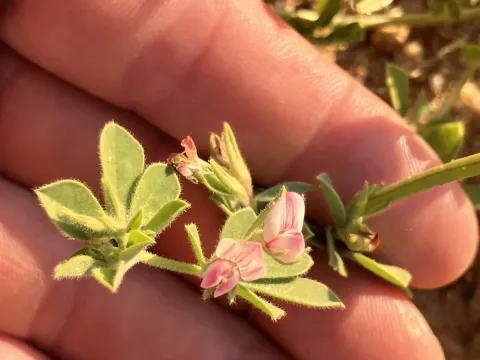
Lotus arabicus is a hardy herbaceous plant belonging to the Fabaceae family, well-known for its adaptation to arid and semi-arid environments. It serves as a vital component of vegetation in regions where water availability is a major limiting factor.
What the section contains
Lotus arabicus
The plant exhibits a deep taproot system, which is a key adaptation for accessing groundwater in dry climates. Its morphology allows it to thrive under high temperatures, maintaining metabolic functions where many other species would fail.
In terms of soil preference, this legume performs best in well-drained, sandy, or loamy soils. It demonstrates a remarkable tolerance to salinity, making it an excellent candidate for land reclamation and stabilizing sandy terrains.
The agricultural value of Lotus arabicus lies in its ability to establish symbiotic relationships with rhizobia bacteria. This process of atmospheric nitrogen fixation enhances soil fertility, providing significant benefits for soil health and future crops.
Climate requirements include high solar radiation and a distinct lack of waterlogging. Proper site selection is essential, as the plant requires well-aerated soil to prevent root damage and promote vigorous canopy development.
The primary threats to Lotus arabicus include fungal root pathogens, which are typically triggered by improper irrigation or poor drainage. Protecting the plant from excessive moisture is a fundamental requirement for successful farming.
Pests such as aphids and various species of weevils can cause significant damage to the foliage and developing pods. Integrated pest management strategies are recommended to monitor and mitigate these biological risks effectively.
A specific concern regarding this species is the presence of cyanogenic glycosides, which can be toxic to livestock under certain conditions. Farmers must conduct forage analysis and monitor plant maturity to ensure animal safety during grazing.
Competition from weeds during the seedling establishment phase can severely stunt growth. Implementing pre-emergence weed control or manual weeding during the first few weeks is crucial for a successful crop stand.
Overgrazing poses a long-term threat to the sustainability of these legume populations. Management practices should include rotational grazing to allow the plant time to recover and replenish its root reserves.