
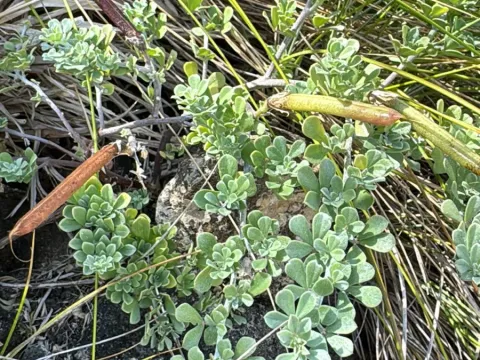
Lotus azoricus
Lotus azoricus
Lotus azoricus is a specialized perennial herb belonging to the Fabaceae family. As an endemic species from the Azores islands, it has evolved to thrive in high-humidity oceanic climates, demonstrating resilience to maritime environmental stressors.
What the section contains
Lotus azoricus
The plant exhibits typical botanical characteristics of the genus Lotus, featuring trifoliate leaves and yellow, cluster-forming flowers. Its vegetative growth is robust, allowing it to act as an effective ground cover in various grazing systems.
Soil requirements for this species include well-drained, nutrient-permeable substrates. It is particularly well-adapted to the volcanic soils found in its native range, where it successfully utilizes nitrogen-fixing symbiosis to maintain vitality.
Climate preferences focus on temperate, stable conditions. It avoids extreme heat and frost, preferring a mild growing season which facilitates consistent vegetative development throughout the year.
Agricultural utility is primarily focused on forage production and soil improvement. By fixing atmospheric nitrogen, it significantly enhances soil fertility, acting as a natural green manure in sustainable farming practices.
Fungal pathogens remain the most significant threat to Lotus azoricus, particularly in waterlogged conditions. Preventing root rot requires strict adherence to soil management and proper drainage strategies during the establishment phase.
Common agricultural pests, such as weevils and aphids, may affect yield by attacking both foliage and seed pods. Integrated pest management is recommended to control populations without disrupting local insect biodiversity.
Weed competition poses a substantial risk during the early vegetative stages. Implementing timely cultivation and maintaining optimal seeding density helps the crop outcompete opportunistic invasive weeds.
Environmental fluctuations, if extreme, can stress the crop and increase susceptibility to viral infections. Maintaining plant health through appropriate irrigation and nutrient management is key to long-term crop survival.
Sustainable harvesting and grazing management practices are essential to prevent over-exploitation. Ensuring sufficient recovery periods for the plant ensures that the stands remain productive and resilient against various biotic threats.