
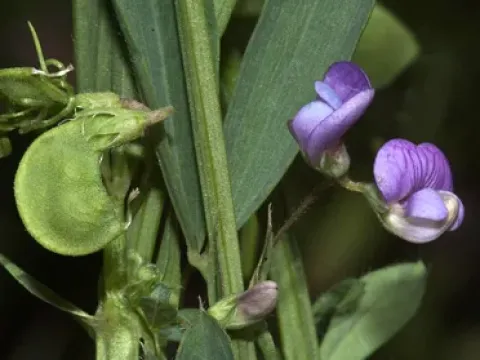
Lentil-like vetch
Lathyrus lentiformis
Sowing of Lathyrus lentiformis should take place in early spring as soon as the soil is workable. It is a cold-hardy crop capable of germinating at temperatures as low as 3 to 5 degrees Celsius.
What the section contains
Lentil-like vetch
The optimal seeding depth is typically between 3 and 5 centimeters. Proper depth control is essential to ensure uniform emergence, especially in heavier soil types where deeper sowing might delay seedling development.
The seeding rate varies based on the intended use, but generally, 1.2 to 1.5 million viable seeds per hectare are recommended. Precision seeding helps in achieving a uniform plant stand, which is crucial for maximizing yield.
Row spacing is usually set to 15 centimeters to facilitate canopy closure, which helps suppress weeds. Proper row configuration also allows for easier mechanical maintenance if necessary during the early stages of growth.
Inoculation of seeds with appropriate Rhizobium strains is highly recommended before sowing. This practice enhances nitrogen fixation, thereby improving soil fertility and reducing the reliance on synthetic nitrogen fertilizers.
Lentil-like vetch thrives in fertile, well-drained soils with a pH ranging from 6.5 to 7.5. It prefers textures like loams or silt loams that provide adequate aeration and moisture retention for optimal root system health.
The crop is relatively drought-tolerant once established but requires sufficient moisture during the flowering and pod-filling stages. Lack of water during these critical phenological phases can significantly impact the final yield.
It performs best in temperate climates, showing adaptability to varying thermal conditions. However, extreme heat during the seed-filling period should be avoided to prevent premature maturation and reduced seed quality.
Lathyrus lentiformis requires full sun exposure for the best results. Shaded conditions or high-density planting in inappropriate areas may lead to weak stem development and susceptibility to lodging.
In crop rotation, it serves as an excellent preceding crop due to its ability to leave behind organic nitrogen in the soil. It is best to avoid planting it after other legumes to prevent the build-up of specific soil-borne pathogens.
The yield of Lathyrus lentiformis is influenced by soil nutrient management and seasonal climatic conditions. Under optimal conditions, farmers can expect grain yields ranging from 1.5 to 2.5 tonnes per hectare.
Phosphorus and potassium fertilizers are essential for robust plant development and pod quality. Balanced nutrition helps the plants withstand lodging, which is a common challenge for this specific species of vetch.
Effective weed control is a significant factor in realizing the full yield potential. By reducing competition for nutrients and water, the crop can focus its resources on reproductive development and seed size increase.
The weight of a thousand seeds is a primary indicator of yield quality and marketability. Consistent moisture and nutrient availability during the growing season are key to achieving a high-quality, uniform grain harvest.
Monitoring for any signs of nutritional deficiencies early in the season allows for corrective fertilization. This proactive approach helps in maintaining the crop's vigor and ensuring a stable harvest at the end of the season.
Ascochyta blight is a common disease affecting vetch, appearing as dark spots on leaves and stems. Management includes using treated, high-quality seeds and maintaining a proper rotation schedule to disrupt the disease cycle.
Root rot, often caused by soil-borne fungi, can be problematic in waterlogged soils. Ensuring good field drainage is a fundamental practice to minimize the risk of these infections during wet spring months.
Leaf-feeding insects, such as weevils, can cause significant damage to young seedlings. Regular scouting of the field allows for the timely application of insecticides if the damage threshold is exceeded.
Aphids may infest the crop during flowering, stressing the plants and potentially spreading viral diseases. Controlling aphid populations is vital for maintaining plant health and preventing secondary yield losses.
Strict field hygiene is necessary to prevent the accumulation of pests and pathogens. Avoiding the continuous cropping of legumes in the same field is the most effective cultural strategy for long-term health.
Harvesting should occur when the seeds are fully mature and the pods have reached their characteristic color. It is critical to harvest promptly to minimize the risk of pod shattering and seed loss in the field.
Direct combining is the standard method of harvest for this crop. Adjusting the cylinder speed is essential to prevent seed breakage while ensuring that the grain is thoroughly threshed from the pods.
If the crop shows uneven maturity, pre-harvest desiccation can be utilized to dry out the vegetation. This makes the harvesting process smoother and reduces the moisture content of the harvested grain.
Post-harvest cleaning is necessary to remove debris and foreign material. Efficient cleaning significantly improves the storability of the grain by reducing the risk of mold and pest development during storage.
Drying the grain to a moisture content of 14% or less is mandatory for safe, long-term storage. Storing dry grain in a cool, ventilated environment preserves germination vigor and prevents nutritional degradation.