
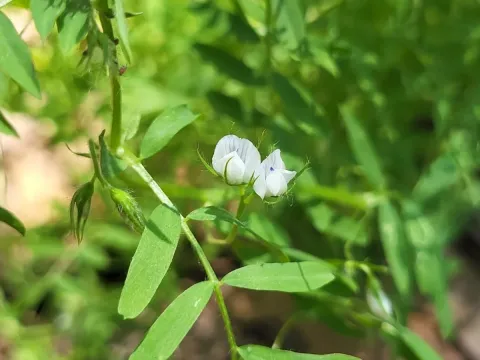
Lentil
Vicia lens
Lentils are a leguminous crop that thrives in cool weather and is widely cultivated for their protein-rich seeds. Planting typically begins in early spring as soon as the soil can be worked, as lentils have excellent cold tolerance during the germination phase.
What the section contains
Lentil
The optimal planting depth is generally between 3 and 5 centimeters, depending on the soil moisture and texture. A uniform seed distribution is crucial to ensure that the plants receive adequate space for development and competition with weeds is minimized.
Seed treatment with specific nitrogen-fixing bacteria is highly recommended to enhance the plant's ability to pull nitrogen from the air. This natural process reduces the need for synthetic fertilizers and improves overall crop health.
Seeding rates should be adjusted based on the cultivar and thousand-kernel weight to ensure the target plant population per hectare is met. Early establishment is key to taking full advantage of spring moisture before the onset of summer heat.
Proper drill calibration is essential during the sowing process to prevent seed damage and ensure consistent depth across the field. This consistency allows for uniform emergence, which simplifies subsequent management tasks.
Lentils prefer well-drained, fertile soil with a neutral to slightly alkaline pH. They are highly sensitive to waterlogged conditions, which can lead to root rot and significant stand loss, so selecting elevated or well-draining fields is vital.
While lentils are moderately drought-tolerant, they require consistent moisture during the flowering and pod-filling stages to achieve maximum yield potential. Excessive rainfall during harvest time, however, can be detrimental to the final crop quality.
Fertilization should be managed carefully, with a focus on phosphorus and potassium to strengthen stalks and pods. Nitrogen applications are rarely necessary if proper inoculation has been performed, as the crop is self-sufficient in nitrogen production.
Weed control is perhaps the most challenging aspect of lentil production due to the crop's slow initial growth. Integrated weed management, including mechanical cultivation and timely application of selective herbicides, is standard practice.
Crop rotation plays a significant role in managing soil-borne diseases and pests, with lentils serving as an excellent entry point for cereal crops. Avoiding continuous cropping of legumes helps maintain soil fertility and breaks disease cycles.
The average yield of lentils varies depending on environmental conditions and management intensity, typically ranging from 1 to 2.5 tons per hectare. Intensive management under optimal conditions can lead to even higher production figures.
Lentils are a high-value commodity in the global food market due to their nutritional profile, being rich in dietary fiber, vitamins, and minerals. This market demand makes them a profitable alternative for farmers in various temperate regions.
By-products such as straw and hull waste are valuable in the animal feed industry. This adds a secondary revenue stream for the farm, ensuring that almost every part of the plant is utilized efficiently.
Post-harvest processing, including cleaning, grading, and proper storage, is essential for maintaining the marketability of the lentils. Modern facilities allow for high-throughput processing that preserves seed integrity and appearance.
Consistent global demand and the ability of lentils to improve soil structure through nitrogen fixation make them a cornerstone of sustainable agriculture. Farmers who invest in quality seeds and proper management see a significant return on investment.
Fungal diseases like Ascochyta blight and Fusarium wilt are major threats that can rapidly devastate a lentil crop if not managed. Preventive strategies, including the use of certified disease-free seeds and fungicides, are essential for control.
Pests such as pea weevils and aphids can cause significant damage during both the vegetative and reproductive stages. Regular scouting is required to detect early signs of infestation and determine if intervention is economically justified.
- Use resistant cultivars as the primary line of defense against fungal diseases.
- Implement spatial isolation to prevent the rapid spread of airborne pathogens.
- Apply insecticides only when pest thresholds are exceeded to protect pollinators.
The implementation of an integrated pest management (IPM) system helps minimize chemical usage while maintaining effective control. This approach promotes long-term ecological balance in the field environment.
Ongoing monitoring of soil health and plant vigor allows for early detection of potential stress factors. By managing threats proactively, farmers can ensure the crop reaches its full potential before harvest.
Harvesting lentils at the right time is critical to prevent pod shattering and seed loss. Harvesting generally commences when 70-80% of the pods turn brown or bronze and the seeds inside are hard and reach maturity.
Direct combining is the most common method for harvesting, though it requires specific header attachments and careful adjustment of drum speed. Excessive mechanical force can lead to split seeds, significantly lowering the crop's market grade.
Monitoring grain moisture is crucial during harvest; the ideal moisture level is around 13-15% for safe storage. If moisture is higher, mechanical drying using low-temperature aeration is necessary to prevent spoilage.
Maintaining a low cutter bar height is advantageous to ensure that the lower pods are captured, which can significantly increase the total yield per hectare. This practice requires clean, stone-free field surfaces to avoid machinery damage.
Clean storage conditions, free from rodents and excessive humidity, will maintain the quality of the lentils for a long period. Effective harvest management turns the year's effort into a high-quality product ready for the global market.