
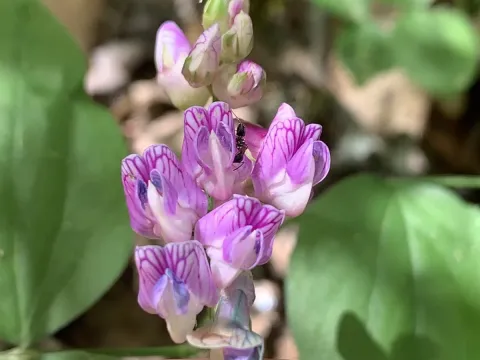
Lathyrus venetus
Lathyrus venetus
Lathyrus venetus is a perennial herbaceous plant belonging to the Fabaceae family, native to the forest regions of Southern and Eastern Europe. It is known for its elegant foliage and distinct blue-violet flowers that bloom in late spring.
What the section contains
Lathyrus venetus
The plant requires well-drained, nutrient-rich soil to thrive. It performs best in conditions that mimic its natural woodland habitat, preferring dappled shade over full, scorching sun.
Climate requirements include moderate moisture and temperature. It is highly valued for its cold hardiness, making it an excellent choice for temperate garden climates where it survives winter dormancy successfully.
Soil management should focus on maintaining a neutral to slightly alkaline pH. Adding organic compost can significantly improve soil texture and moisture retention for better growth results.
In terms of agricultural and horticultural use, Lathyrus venetus is utilized as an ornamental plant for perennial beds and as a nitrogen-fixing species that improves soil fertility through symbiotic bacteria.
Common pests affecting Lathyrus venetus include aphids and various weevils that feed on the soft leaf tissues, potentially stunting the growth of young plants.
Fungal diseases, specifically powdery mildew, are frequently observed when environmental conditions are too humid or when there is insufficient air circulation around the foliage.
Root rot is a major threat if the plant is grown in compacted, waterlogged soil without proper drainage, often leading to rapid decline of the perennial clump.
Integrated pest management strategies should include regular visual inspections and the application of biological control methods where possible to keep the plants healthy.
Cultural practices such as clearing dead foliage in late autumn and ensuring proper spacing between plants significantly reduce the risk of pathogen accumulation and spread.