
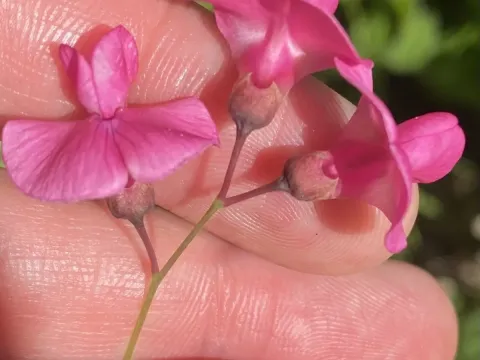
Lathyrus roseus
Lathyrus roseus
Sowing Lathyrus roseus should be carried out in early spring as soon as the soil is workable to ensure the seeds benefit from available moisture. This timing is crucial for achieving uniform germination and establishing a strong stand before the onset of potential late spring droughts.
What the section contains
Lathyrus roseus
The recommended planting method is row seeding with spacing between 15 and 20 centimeters. The seeding rate should be optimized based on soil fertility and the specific region's climate, aiming for a dense stand that can naturally compete with common agricultural weeds during the early vegetative stages.
Seed depth is a critical factor for successful emergence, generally ranging from 3 to 5 centimeters. On lighter, sandier soils, a slightly deeper placement is preferred to protect the seeds from desiccation, while heavier soils require shallower planting to prevent mechanical resistance during sprouting.
Preparation of the seed lot involves thorough cleaning and calibration to ensure even distribution during sowing. Scarification of the seed coat can be highly beneficial for improving germination rates, especially when dealing with high-quality certified seeds that have been stored for some time.
Given the slow initial growth of seedlings, keeping the fields free of aggressive weeds is essential for success. Integrated weed management, including mechanical hoeing in the early stages, allows the crop to gain enough vigor to effectively shade the soil and suppress further weed development.
Lathyrus roseus thrives in fertile, well-drained loamy soils with a neutral pH. The crop is sensitive to waterlogging, making it unsuitable for low-lying areas where water tends to accumulate; therefore, site selection must prioritize locations with good natural drainage or artificial tiling.
The plant is noted for its winter hardiness, allowing it to adapt to various temperate climates. It exhibits moderate drought tolerance once established, thanks to its deep-reaching root system, although consistent moisture during the peak growth phase is necessary for maximum biomass production.
Solar radiation plays a vital role in the physiological health and yield of the plant. Open, sunny fields are required, as partial shade can negatively influence the plant's metabolism, leading to weak stems and a significant reduction in the protein content of the harvested forage.
The optimal temperature range for active growth lies between 18 and 22 degrees Celsius. While the crop can withstand various weather conditions, prolonged heat waves coupled with moisture deficits can force the plant into early dormancy, thereby limiting its overall seasonal productivity.
Nutrient management, particularly the availability of phosphorus and potassium, is essential for root development and cold resistance. Applying these minerals according to soil test results supports the plant's ability to maintain a healthy stand over multiple growing seasons.
The yield of Lathyrus roseus is highly dependent on the stage of development at the time of harvest. For forage, cutting should occur during the early flowering phase, as this timing represents the best balance between biomass weight and the concentration of vital nutrients like proteins.
Under favorable conditions, the yield of green matter can range between 15 and 25 metric tons per hectare. Intensive agricultural practices, such as precise fertilization and irrigation management, can push these numbers higher, making the crop a viable component of modern forage systems.
Seed harvesting requires careful timing due to the natural tendency of legume pods to shatter when overly dry. Constant monitoring of the field is necessary to catch the optimal moment when pods are mature but not yet open, ensuring that the maximum seed volume is recovered.
The quality of the final product, particularly hay, is determined by the speed and efficiency of the drying process. Reducing moisture quickly in the field while minimizing physical handling ensures that the nutrient-rich leaves remain intact, preserving the feed's overall energy value.
As a perennial crop, Lathyrus roseus offers the advantage of multi-year production from a single sowing. However, yields typically peak in the second and third years, after which the stand may gradually thin out, necessitating a renovation plan to maintain economic efficiency.
Common diseases affecting this crop include powdery mildew and anthracnose, which are prevalent in humid conditions. Managing stand density and ensuring proper field ventilation are primary cultural strategies to minimize the risk of these fungal infections spreading across the field.
Insects like pea weevils can cause significant damage to the roots, while aphids may target tender new shoots, affecting photosynthesis. Integrated pest management, including the use of thresholds for insecticide applications, is recommended to protect the crop without disrupting beneficial insect populations.
Root rot is a common challenge in poorly aerated or compacted soils. Improving soil structure through proper cultivation techniques and avoiding heavy machinery passes during wet conditions are essential preventive measures to maintain the long-term health of the legume root system.
Seed-borne pests require strict storage protocols, including temperature and moisture control. If pests are detected in storage, immediate intervention is necessary to prevent significant loss of the seed stock before the next planting season begins.
Regular phytosanitary monitoring is the cornerstone of protecting Lathyrus roseus. By identifying disease symptoms or pest presence early, farmers can apply targeted measures to protect the crop, ensuring consistent production and maintaining high-quality outputs for agricultural use.
Forage harvesting is most effective during the bud-to-early-flower stage using conditioning mowers, which help break the stems and accelerate drying. This process preserves the delicate leaves that are responsible for the bulk of the forage's nutritional value.
Seed harvest is typically a two-stage process: swathing followed by combine harvesting. This method allows the crop to dry down naturally in the field, reducing the energy costs associated with mechanical drying while providing a safer window for gathering the seed heads.
Weather windows for harvest should be strictly observed; dry, clear skies are ideal for both green mass and seed harvesting. Rain during the harvest process can ruin the quality of the fodder and lead to seed discoloration, severely affecting marketability.
Post-harvest conditioning involves cleaning the seed lot to remove organic debris, which could otherwise introduce mold during storage. Drying the seeds to a moisture level of 12-14% is mandatory to ensure long-term viability and prevent germination loss.
Storage facilities should be cool, dry, and well-ventilated to keep the seeds in optimal condition throughout the winter. Periodic inspections to check for moisture accumulation or pest activity will ensure that the seed remains ready for sowing when the next planting cycle arrives.