
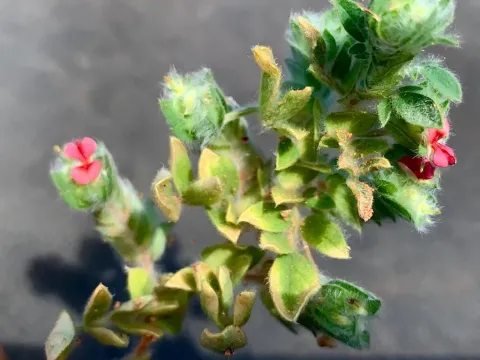
Indigofera strobilifera
Indigofera strobilifera
Indigofera strobilifera is a hardy perennial shrub belonging to the Fabaceae family. It is well-adapted to tropical and subtropical environments, where it naturally forms thick, resilient vegetation cover.
What the section contains
Indigofera strobilifera
The crop requires well-drained soils with a pH ranging from neutral to slightly acidic. While it possesses moderate drought tolerance, the plant performs optimally in regions with consistent moisture levels during its primary growth phases.
The ideal temperature for cultivation ranges between 22 and 30 degrees Celsius. Exposure to direct sunlight is crucial, as shading significantly restricts the plant's photosynthetic capacity and slows down biomass accumulation.
A distinctive biological trait of this species is its ability to fix atmospheric nitrogen through symbiosis with root-nodule bacteria. This ecological adaptation allows the plant to flourish in nutrient-poor soils while simultaneously enriching them.
From an agrotechnical perspective, proper plant spacing is essential to ensure adequate air circulation. High-density planting without proper management can increase humidity levels within the canopy, leading to suboptimal growth conditions.
Indigofera strobilifera is primarily cultivated for its green biomass, which serves as a high-quality forage source for livestock. It is prized for its substantial protein content and digestibility when harvested at the right maturity stage.
Under favorable conditions, multiple harvests are possible within a single growing season. Total yield is significantly influenced by soil nutrient management, particularly the availability of phosphorus to support healthy root development.
Beyond forage production, the species acts as an effective soil cover crop. Its extensive root system prevents soil erosion and helps maintain topsoil integrity, particularly on steep or degraded agricultural lands.
Recent interest has also focused on the biochemical properties of the plant, suggesting potential uses in the pharmaceutical and natural dye industries. Research is ongoing to optimize harvest protocols for these specialized yields.
The economic viability of this crop is high, largely due to its minimal fertilizer requirements. By enhancing soil fertility through natural nitrogen fixation, it serves as a sustainable component in crop rotation systems.
The primary threats to Indigofera strobilifera cultivation are fungal pathogens that thrive in waterlogged conditions. Excessive moisture leads to root rot, which is the most common cause of crop loss in poorly drained fields.
Insect pests that target foliage and tender shoots can also impede growth. Early detection of leaf-chewing insects is critical to prevent widespread damage and to keep the plants vigorous enough to resist secondary infections.
Effective weed management is necessary during the establishment phase, as the crop is initially susceptible to competition for light and water. Maintaining a clean field significantly lowers the overall disease pressure.
Field monitoring should be a routine activity, with particular attention paid to leaf discoloration or spots. Taking proactive measures, such as pruning or removing infected biomass, helps contain potential outbreaks.
Adopting resistant cultivars and strictly adhering to crop rotation schedules are the most effective strategies for long-term health. Planting this species in fields previously used for other legumes should be avoided to prevent pathogen buildup.