
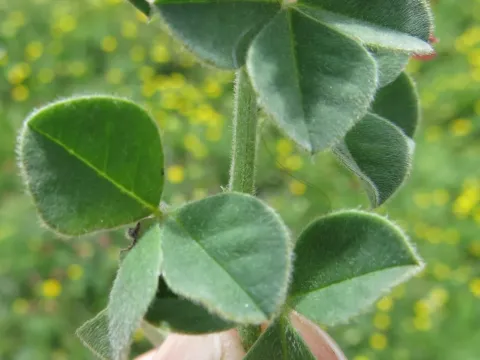
Indigofera tomentosa
Indigofera tomentosa
Indigofera tomentosa belongs to the Fabaceae family and thrives when planted in well-warmed soil, typically between 18°C and 22°C, to ensure optimal germination.
What the section contains
Indigofera tomentosa
Seeds require scarification before planting due to their hard seed coat; this process is essential to allow moisture uptake and improve the consistency of crop emergence.
The recommended seeding rate ranges from 10 to 15 kg per hectare, using a row planting method with a spacing of 30–45 cm to provide adequate room for growth.
Planting depth should be kept between 2 and 3 cm, as deeper placement can weaken seedlings and significantly reduce the overall success rate of the plantation.
The ideal time for sowing is during the second half of spring, once the threat of late frosts has passed, ensuring the crop has enough time to establish itself.
This crop is heliophilic and thermophilic, meaning it performs best when cultivated in open, sunny locations with a prolonged growing season throughout the year.
Indigofera tomentosa prefers well-drained sandy loam or loamy soils with a neutral to slightly acidic pH level for maximum biomass production and root development.
The plant exhibits high drought resistance, attributed to its deep-reaching root system, which allows it to access water reserves in deeper soil horizons effectively.
Waterlogging and poor drainage are detrimental to the crop; therefore, it is vital to avoid low-lying fields prone to flooding or those with high water tables.
Supplying minimal fertilizer during the early stages of development encourages the growth of nitrogen-fixing nodules, reducing the need for extensive synthetic nitrogen application.
The yield of green biomass depends on management practices and irrigation, typically ranging from 15 to 25 tons per hectare per season under suitable conditions.
Used as a green manure, the crop effectively improves soil structure and enriches it with nitrogen, making it a valuable component in sustainable crop rotations.
Seed production remains stable under favorable weather, yielding approximately 300–500 kg per hectare, providing a reliable resource for future propagation.
Frequent mowing after the flowering stage stimulates regrowth, allowing for multiple harvests within a single growing season and maximizing total economic output.
Peak productivity is generally achieved during the second and third years of growth, as the plant reaches full maturity and establishes a robust canopy.
Common diseases affecting Indigofera tomentosa include fusarium wilt and various root rots, which often occur in environments with poor drainage or over-irrigation.
Powdery mildew may develop in humid conditions with moderate temperatures, necessitating timely application of fungicides to protect the health of the foliage.
Pests such as nodule weevils and aphids can cause significant damage to roots and tender leaves, which requires close monitoring and integrated pest management.
Maintaining a crop rotation interval of at least 3 to 4 years is essential to prevent the build-up of soil-borne pathogens and ensure long-term plot productivity.
- Fusarium wilt
- Root rot
- Powdery mildew
- Nodule weevil
- Aphids
Harvesting for forage should ideally occur during the peak flowering stage to ensure the highest nutritional value and protein content for livestock feeding.
For seed collection, harvesting should commence once the pods turn a brownish color, signaling that the seeds have reached physiological maturity.
Careful timing is crucial during seed harvest, as pods may split if left in the field too long, leading to significant seed loss before the machinery arrives.
Mechanical harvesting using forage harvesters is common for green mass, followed by rapid wilting to prepare the crop for storage or direct utilization.
Post-harvest processing involves thorough cleaning and drying of the seeds to a moisture content below 12% to maintain high viability during prolonged storage periods.