
Indigofera subulata
Indigofera subulata
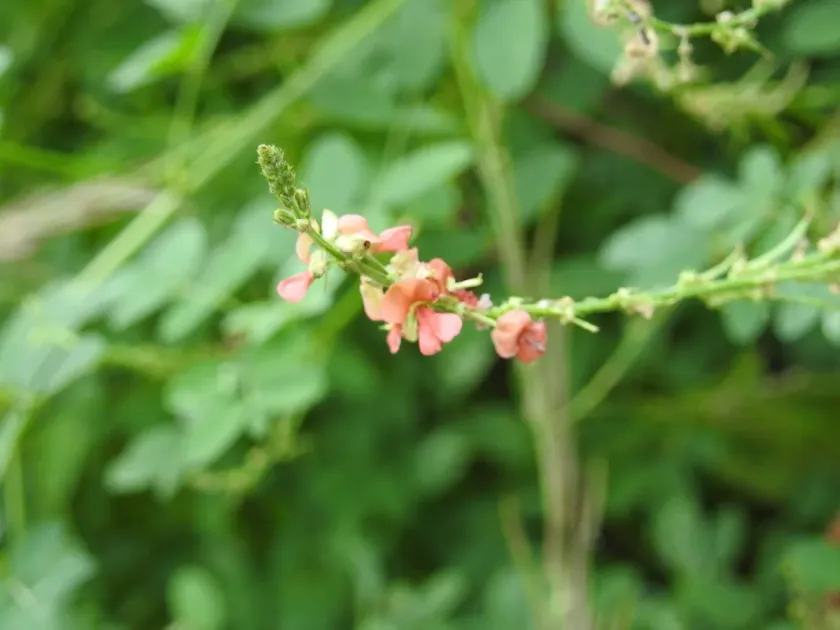
Description
Sowing dates
Indigofera subulata is a robust leguminous species primarily grown in tropical and subtropical regions. The planting season typically begins with the onset of the rainy season, ensuring adequate moisture for successful germination.
Seed scarification is highly recommended before planting because the seeds possess a hard coat that inhibits water absorption. This process significantly improves field emergence rates.
Sowing is performed in rows with spacing of approximately 40 to 60 centimeters. This arrangement provides enough space for the plants to establish while minimizing competition for light and soil nutrients.
During the early seedling stage, growth is relatively slow. Consequently, weed management is essential during the first few weeks to prevent the young plants from being choked by fast-growing weeds.
The seeds should be sown at a shallow depth of 1 to 2 centimeters. Maintaining good soil-to-seed contact is critical to achieving a uniform stand of plants across the field.
Growing requirements
This legume is well-adapted to poor soil conditions and excels at nitrogen fixation. It thrives in well-drained soils but demonstrates a reasonable tolerance for periodic waterlogging.
Ideal temperatures for growth range between 20 and 30 degrees Celsius. Once the root system is established, the plant shows impressive drought tolerance, allowing it to survive dry spells.
It is not highly demanding regarding soil fertility, which makes it an excellent choice for reclaiming degraded lands. However, extremely acidic soils may require lime applications.
Exposure to direct sunlight is crucial for maximum biomass production. Shading significantly hampers growth, so the crop should be planted in open areas to ensure optimal performance.
The plant features a deep taproot system, which helps break up compacted soil layers, improves soil aeration, and increases water infiltration rates in the soil profile.
Yield
The yield of green forage is substantial under favorable climatic conditions. The crop can sustain multiple cuts per season, providing a consistent source of protein-rich biomass for livestock.
As a feed source, the plant is valued for its nutritional profile, particularly its protein content. It is effectively used as a supplement for cattle, sheep, and goats.
Beyond its feed value, the crop serves as an excellent green manure. By incorporating the biomass into the soil, farmers can significantly boost nitrogen levels for subsequent crops.
Seed yields are generally moderate, and harvesting can be challenging due to the non-uniform ripening of the pods, often necessitating manual intervention or careful mechanical timing.
The highest yields are typically observed in the second and third years of growth, once the plants have developed a dense crown and fully established their symbiotic nitrogen-fixing colonies.
Main diseases and pests
The most common threats include fungal root diseases, which are typically exacerbated by poor soil drainage. Maintaining a proper rotation cycle is the best preventative strategy.
Pests such as weevils and various lepidopteran larvae can cause significant leaf damage. In most cases, natural predators and good management are preferred over synthetic pesticides.
Nematode infestations can be a concern, particularly in light, sandy soil environments. Selecting resistant varieties is the most effective approach for mitigating long-term losses.
Viral infections may appear as mosaic patterns on the leaves, leading to stunted growth. Infected plants should be promptly rogue out to prevent the spread to healthy sections.
Stored seeds are susceptible to bruchid beetles. Keeping the harvested seeds in a dry, cool, and well-sealed environment is essential for maintaining seed viability and health.
Harvesting
For high-quality forage, harvesting should occur during the early flowering stage. At this phase, the ratio of leaves to stems is ideal, and protein concentration is maximized.
Seed harvesting must be carried out in several passes because the pods do not mature simultaneously. Early collection is necessary to prevent natural pod shattering and yield loss.
When intended for green manure, the crop should be incorporated into the soil just as the flowering begins, ensuring the maximum nitrogen contribution without woody stem formation.
When cutting for hay, the biomass should be dried carefully. Due to the high leaf count, the material must be monitored to ensure it doesn't become too brittle during the drying process.
Mechanical harvesting requires calibrated equipment to handle the small seeds, which tend to shatter easily. Adjustments to combine settings are usually necessary to reduce post-harvest losses.