
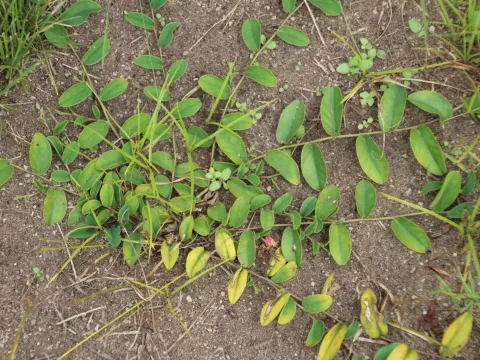
Indigofera drepanocarpa
Indigofera drepanocarpa
Indigofera drepanocarpa belongs to the Fabaceae family. Planting should commence once soil temperatures stabilize between 15 and 18 degrees Celsius, which is crucial for optimal seed germination.
What the section contains
Indigofera drepanocarpa
Proper field preparation involves deep plowing and leveling. Since the seeds have hard coats, scarification is recommended to improve water absorption and ensure uniform field emergence.
Seeding rates vary depending on the intended use, whether for biomass production or seed multiplication. Accurate drill placement at a depth of 2–3 cm is essential for initial vigor.
Inoculation with specific nitrogen-fixing rhizobia is a standard practice for this legume to maximize biological nitrogen fixation and reduce the need for synthetic fertilizers.
Young seedlings require a weed-free environment during the first few weeks of growth, as the plant is sensitive to competition during the establishment phase.
The plant is highly heat-tolerant and thrives in tropical and subtropical climates. It performs best under full sun exposure, as shading significantly reduces its growth rate and biomass.
Soil requirements include well-drained loamy or sandy soils. It is sensitive to waterlogging, which can lead to root rot; therefore, selecting fields with proper drainage is vital for survival.
Optimal pH levels for this species range from 6.0 to 7.5. Soils that are too acidic may require liming to ensure nutrient availability and proper rhizobial activity in root nodules.
Though drought-resistant once established, the crop requires consistent moisture during the vegetative growth period to reach its maximum yield potential.
Proper phosphorus and potassium management supports root development, which enhances the plant's ability to tolerate short-term stress conditions effectively.
The biomass yield of Indigofera drepanocarpa depends heavily on management practices and soil fertility. It is capable of producing multiple harvests per season if moisture is sufficient.
Nutritional value is a key factor, with the plant providing a significant protein source for forage. Harvesting at the early flowering stage ensures the best quality of dry matter.
Seed yield varies depending on the environmental conditions during the flowering phase. Timely harvesting is required to prevent natural shattering of the sickle-shaped pods.
Sustainable productivity can be maintained for several years, provided the stand is managed to prevent weed encroachment and nutrient depletion in the topsoil.
Field trials demonstrate that with adequate management, this crop can significantly improve soil structure while providing a reliable source of high-protein fodder.
Common fungal pathogens such as powdery mildew can affect the foliage under high humidity conditions. Implementing crop rotation helps mitigate the build-up of soil-borne pathogens.
Insects like pod-borers and aphids can cause damage during the flowering and seed-filling stages. Regular scouting is necessary to identify thresholds for intervention.
Nematodes may pose a risk in sandy soils, so using resistant varieties or integrating non-host crops in the rotation is a common protective strategy.
Management of these threats involves a combination of biological control, proper sanitation, and the use of approved pesticides only when economic thresholds are reached.
Maintaining vigorous plant health through adequate nutrition helps the crop better withstand pressure from minor pests and diseases throughout the growing cycle.
Harvesting for forage is best performed when the plant reaches the onset of the flowering phase, maximizing the nutrient content before the stems become overly fibrous.
Field curing or mechanical drying should be managed to prevent leaf shattering, as the leaves contain the highest concentration of minerals and crude protein.
For seed production, harvesting should occur before the pods become fully brittle to minimize losses during the cutting and threshing processes.
Post-harvest conditioning includes thorough cleaning and drying to a moisture content below 12%, which prevents fungal growth during long-term storage.
Modern harvesting equipment, such as swathers followed by combines, is typically used to manage the crop efficiently, ensuring high-quality output for commercial needs.