
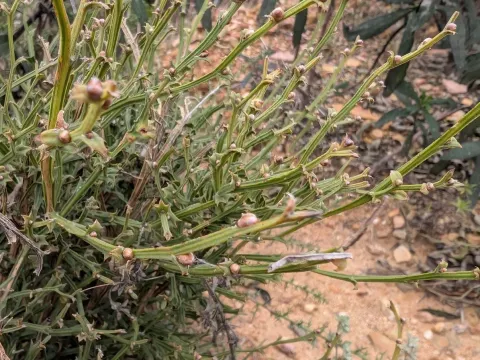
Genista tridentata
Genista tridentata
Genista tridentata, commonly known for its distinct trident-shaped stems, is a notable shrub belonging to the Fabaceae family. Unlike many other plants, it features flattened, photosynthetic stems that serve as its primary foliage, giving it a unique sculptural appearance.
What the section contains
Genista tridentata
This species is native to the southwestern parts of Europe, specifically the Iberian Peninsula. Its natural habitat consists of rocky slopes and sandy soils, reflecting its high tolerance for poor nutrient conditions and strong sunlight exposure throughout the growing season.
To successfully cultivate this crop, one must ensure a site with excellent drainage. The plant thrives in neutral to slightly acidic soils and performs best in full sun. Overwatering is the most common mistake, as the plant is highly adapted to dry conditions.
The agronomic management of Genista tridentata is relatively straightforward, focusing mainly on ensuring the plant is not subjected to waterlogged soil. It is a slow-growing species, which makes it ideal for rock gardens where maintenance needs to be kept at a minimum.
In terms of usage, Genista tridentata is highly regarded in ornamental horticulture for its resilience and unique aesthetic profile. Beyond its decorative value, it serves as an important honey-producing plant, attracting various pollinators to Mediterranean garden landscapes.
The primary threats to Genista tridentata are fungal diseases that target the root system, typically triggered by excessive irrigation or poor soil aeration. Maintaining a well-draining substrate is the most effective preventative measure against such issues.
Pests, such as aphids or spider mites, may periodically infest the succulent-like stems, especially if the plant is grown in a greenhouse or restricted environment. Regular monitoring and the application of natural pest control methods can mitigate damage effectively.