
Genista ausetana
Genista ausetana
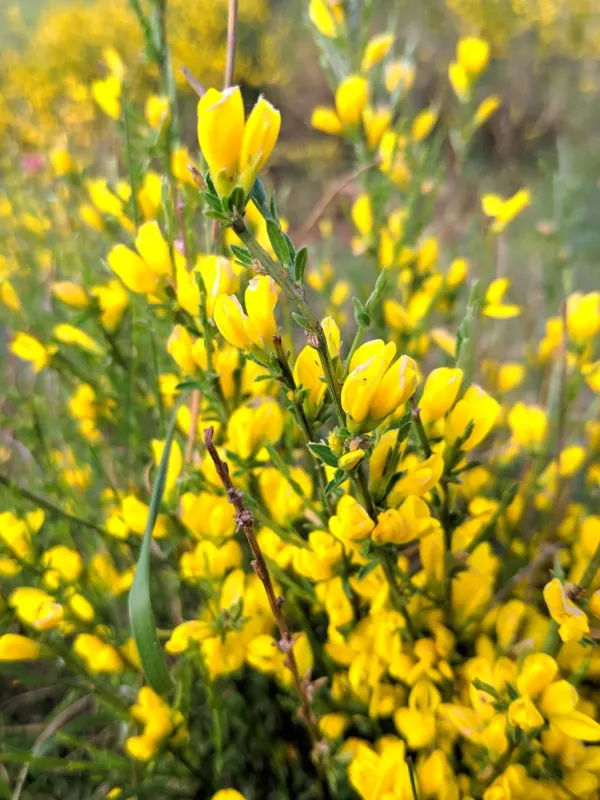
Description
Growing requirements
Genista ausetana is a distinctive perennial shrub belonging to the Fabaceae family. This species is well-adapted to harsh environmental conditions, showing high resilience in arid and rocky terrains characteristic of its native Mediterranean habitat.
The plant originates from the mountainous regions of Catalonia. It thrives in well-drained, sandy, or stony soils and requires full sun exposure to maintain its structural integrity and reach its full aesthetic potential during the flowering stage.
Cultivation practices for this species focus primarily on site selection. Since it is highly drought-tolerant, it does not require supplemental irrigation once established. Its ability to fix atmospheric nitrogen makes it an excellent choice for improving soil quality in nutrient-poor areas.
In terms of climate requirements, the plant prefers temperate conditions with mild winters. It is highly valued in xeriscaping projects because it minimizes the need for water inputs while providing significant environmental benefits like soil stabilization.
Host-plant utility spans from ornamental landscape design to ecological restoration of slopes. The vibrant yellow blooms significantly enhance biodiversity by supporting local pollinator populations throughout the peak blooming season.
Main diseases and pests
While Genista ausetana is robust, it can be susceptible to fungal diseases if planted in heavy, waterlogged soils. Root rot is the most serious threat, often caused by inadequate soil drainage and poor air circulation.
Aphids are the most common pests affecting this shrub. These insects congregate on tender shoot tips, potentially weakening the plant and encouraging the growth of sooty mold on the honeydew they secrete.
Powdery mildew can occur during periods of high humidity and poor ventilation. Keeping the plant canopy thin and ensuring adequate spacing between individual shrubs significantly reduces the risk of such infections.
Larval stages of certain lepidopterans may occasionally feed on the foliage. While these infestations are rarely fatal, they can detract from the plant's appearance, necessitating monitoring and occasional mechanical removal.
Integrated pest management, including regular inspection and maintaining optimal growing conditions, is the most effective approach to managing health issues in this hardy leguminous species.