
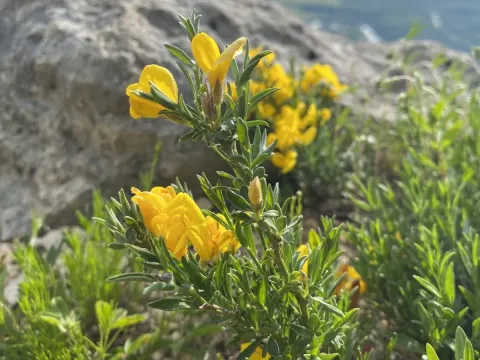
Genista albida
Genista albida
Sowing Genista albida seeds is best performed in early spring once the soil temperature consistently stays above the minimum required for germination. Pre-treatment, such as stratification or scarification, is highly recommended to improve the germination rate of its hard-coated seeds.
What the section contains
Genista albida
For sowing, use a lightweight, well-draining substrate composed primarily of sand and peat. Seeds should be buried at a shallow depth of approximately 0.5 to 1 cm to ensure they receive sufficient light to trigger growth.
Once seedlings emerge, maintain moderate moisture levels and ensure excellent air circulation. The young plants should be gradually acclimatized to direct sunlight to strengthen their stems before being moved outdoors.
Transplanting to a permanent location is typically conducted in the second year when the root system has matured. Early container-grown plants are more resilient during the transition to open-field conditions.
Proper spacing between plants, usually 60 to 80 cm, is vital to prevent overcrowding. Adequate space ensures that each plant receives enough air and light, promoting a healthy, dense growth habit.
Genista albida is a light-loving shrub belonging to the Fabaceae family. It thrives in locations that receive full, direct sunlight throughout the day and will not tolerate shaded environments.
This species is well-adapted to nutrient-poor, rocky, and sandy soils. It is highly drought-tolerant, making it an excellent choice for xeriscaping or regions with limited water resources.
Waterlogged soil is detrimental to Genista albida. To prevent root rot and ensure plant longevity, it is essential to plant it in well-drained locations or raised beds where moisture does not stagnate.
The soil should be neutral to slightly acidic. Avoid applying heavy lime, as excess calcium can interfere with nutrient uptake and stress the plant, leading to poor performance and yellowing of foliage.
While the plant is hardy in its native Mediterranean-like climates, in colder northern regions, applying a layer of organic mulch around the base during the winter helps protect the roots from extreme freezing temperatures.
While Genista albida is primarily an ornamental species, its agricultural value lies in its high nectar production, serving as a significant forage resource for honeybees during its peak blooming period.
In a nursery context, the "yield" is measured by the quality of the shrub. A well-cultivated Genista albida will display a compact, bushy habit and profuse flowering, which are highly valued in the landscaping market.
Genista albida provides ecological benefits by fixing atmospheric nitrogen into the soil through its root system, effectively acting as a natural fertilizer that improves the health of surrounding vegetation.
Seed harvesting should occur when the seed pods have turned brown and reached maturity but before they naturally split open. Timely collection is crucial to prevent the seeds from scattering on the ground.
Although it has limited industrial use, the shrub is useful in erosion control on sandy hillsides, as its deep root system effectively anchors the soil and prevents landslides in vulnerable areas.
Fungal diseases, such as powdery mildew, are the most frequent threats, especially in areas with high humidity or poor air circulation around the shrub’s canopy.
Aphids and spider mites are the most common pests for this plant. These insects typically target tender new shoots during dry spells and should be managed with timely applications of biological control agents.
Root rot caused by excessive moisture is the most severe threat to the plant's health. Once root rot is established, it is usually irreversible, and infected plants must be removed to protect nearby specimens.
In winter, rodents may damage the bark of young shrubs. Protecting the base of the plant with small-mesh wire fencing is an effective preventative measure to ensure the plant remains unharmed.
Because Genista albida is quite hardy, it rarely requires chemical intervention. Practicing good horticultural hygiene—such as removing dead foliage—is usually sufficient to keep the plant vigorous and pest-free.