
Flemingia stricta
Flemingia stricta
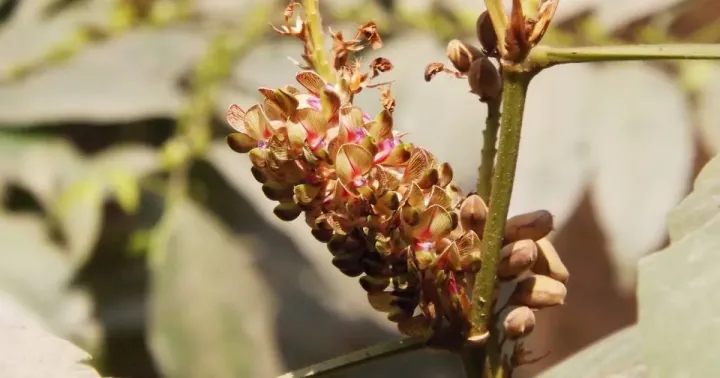
Description
Growing requirements
Flemingia stricta is a perennial shrub belonging to the Fabaceae family. It is native to the tropical regions of Southeast Asia, where it typically thrives in forest understories and clearings.
This species requires well-drained, fertile soil to reach its full potential. While it exhibits a certain degree of resilience, it performs best in moist environments with stable, high temperatures ranging from 20°C to 30°C throughout the year.
The plant is highly valued for its contribution to soil quality. Its ability to fix atmospheric nitrogen makes it an excellent candidate for intercropping and agroforestry systems aimed at restoring degraded soil fertility.
As a robust woody legume, it provides significant erosion control when planted on slopes. The thick root system helps bind soil particles, making it a sustainable choice for land conservation efforts.
Its leaves produce a rich organic mulch that decomposes effectively. Farmers utilize this biomass to improve nutrient cycling within the agroecosystem, reducing the need for synthetic nitrogen fertilizers.
Main diseases and pests
Root rot caused by pathogenic fungi is a primary concern, especially in areas with poor drainage or excessive standing water. Ensuring proper soil aeration is essential for healthy plant development.
Pests such as aphids and leaf-eating beetles can cause stress to the plants, potentially stunting growth if left unmanaged. Regular inspection of foliage is recommended for early intervention.
Seed-boring insects may affect yield quality during the reproduction phase. Proper storage and treatment of harvested seeds are necessary to maintain viability and prevent infestations.
Competition from aggressive, fast-growing weeds during the initial establishment phase can hinder the plant's growth. Manual weeding or appropriate mulching techniques are advised during the first months.
In certain dense plantings, spider mites may emerge during dry spells. Maintaining appropriate moisture levels and encouraging beneficial insect populations helps manage these pest threats naturally.