
Flemingia vestita
Flemingia vestita
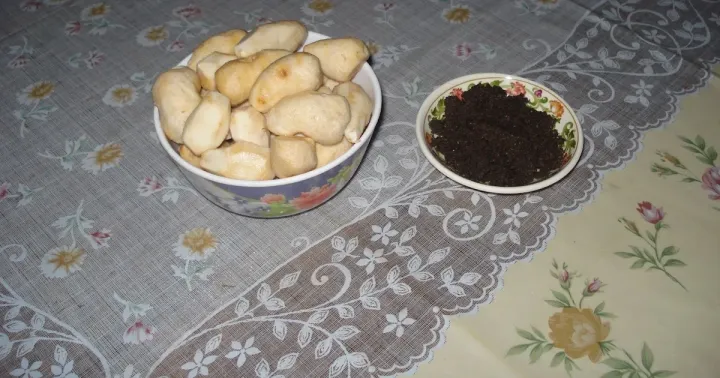
Description
Growing requirements
Flemingia vestita is a perennial leguminous plant belonging to the family Fabaceae. Native to the mountainous regions of Northeast India, this crop is highly valued for its edible tubers and its ability to thrive in challenging environmental conditions.
The plant is specifically adapted to cool mountain climates. It is highly tolerant of acidic and nutrient-poor soils, making it an excellent candidate for sustainable agricultural practices aimed at soil reclamation and land rehabilitation.
A key botanical feature of Flemingia vestita is its ability to form symbiotic relationships with nitrogen-fixing bacteria in its root nodules. This process significantly improves the nitrogen content of the soil, benefiting the overall crop rotation cycle.
Agronomically, the plant requires moderate moisture to develop its tuberous roots. It can adapt to varying light conditions, showing robustness in semi-shaded environments, which allows for versatile integration into local farming systems.
The main agricultural use is the production of nutrient-dense tubers. These tubers provide an important source of carbohydrates and protein for local populations and contribute significantly to food security in regions where other staple crops struggle to grow.
Main diseases and pests
Flemingia vestita is generally resilient to many common legume diseases. However, prolonged waterlogging remains the primary environmental stressor that can trigger root rot and fungal infections, compromising the quality of the harvested tubers.
Soil-borne nematodes can pose a challenge in fields where legumes are grown repeatedly. Implementing a diverse crop rotation is the most effective management strategy to keep pest populations below the economic threshold of damage.
During the establishment phase, seedlings may be susceptible to competition from fast-growing weeds. Regular inter-row cultivation is necessary during the first few weeks of growth to ensure the crop has adequate access to nutrients and light.
Pest pressure is relatively low compared to more commercialized legumes, but monitoring for leaf-feeding insects is advised during periods of high humidity. Integrated pest management practices are encouraged to maintain ecological balance.
The health of the plant is largely dictated by soil aeration. Proper tillage techniques that prevent soil compaction will significantly reduce the risk of diseases and ensure optimal tuber formation throughout the growing season.