
Flemingia strobilifera
Flemingia strobilifera
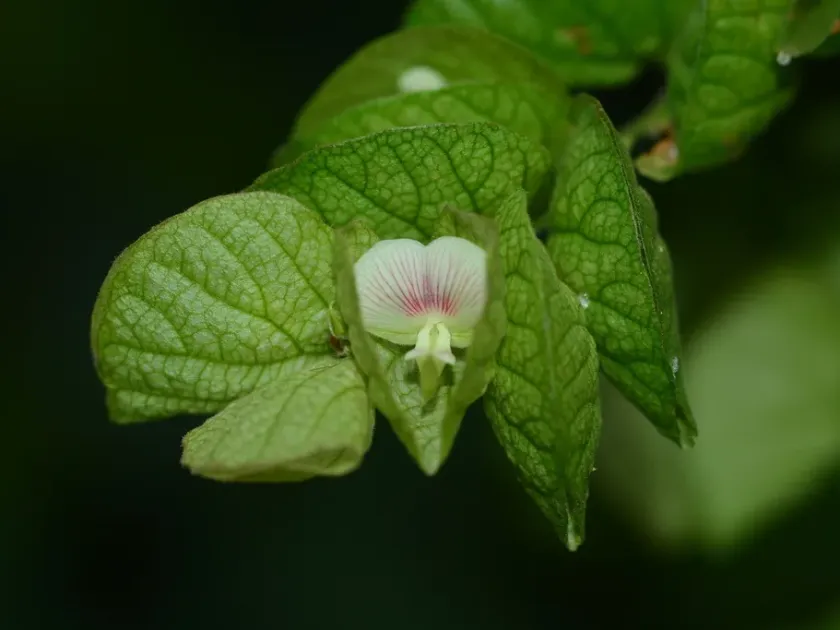
Description
Sowing dates
Flemingia strobilifera is a perennial evergreen shrub belonging to the Fabaceae family. In tropical regions, seeds are typically sown directly into prepared soil or nursery beds at the beginning of the rainy season, which provides the necessary moisture for germination.
Propagation through cuttings is also highly effective, allowing for faster establishment of vigorous seedlings. When sowing directly, seeds should be planted at a depth of 1–2 centimeters, maintaining a spacing of 1 to 1.5 meters between rows to accommodate the plant's natural branching habit.
While seed scarification is not strictly mandatory, treating the seed coat can significantly improve germination rates and uniformity. The ideal temperature range for successful seedling emergence is between 25 and 30 degrees Celsius.
The initial establishment phase requires consistent watering for the first two months, allowing the root system to penetrate deep into the soil profile. Once matured, the plant exhibits remarkable resilience against short-term dry spells.
Planting density varies based on intended use: higher densities are recommended for erosion control, while lower densities with 50–70 centimeter intervals are preferred for maximizing biomass production.
Growing requirements
The plant thrives in well-drained sandy or loamy soils with neutral to slightly acidic pH levels. As a legume, it has a superior ability to fix atmospheric nitrogen, significantly enhancing the fertility of degraded soils.
This crop prefers full sun to light shade. While vegetative growth is enhanced in shaded areas, excessive canopy cover can negatively impact the plant's flowering potential and overall reproductive cycle.
Climatic requirements are specific to tropical and subtropical zones where frost is absent. The shrub is highly sensitive to freezing temperatures, which can lead to severe damage or the total loss of the above-ground biomass.
Consistent rainfall throughout the year supports intensive growth. The crop does not tolerate waterlogging, so selecting sites with proper slope or installing drainage channels is essential when working with heavy clay soils.
Strategic application of mineral fertilizers, particularly those rich in phosphorus and potassium, during the initial planting phase promotes a robust root system, which is crucial for a successful long-term cultivation cycle.
Yield
Biomass production is the primary measure of yield, achieved through regular pruning of lateral branches. Under optimal conditions, the plant can be harvested for green manure or fodder three to four times per season.
Dry matter yields vary depending on soil fertility and the age of the plantation. On average, intensive management systems can produce 10–15 tons of green biomass per hectare per growing season.
Seed production is consistently high, ensuring that growers have a sustainable supply of propagation material for expanding cultivation areas. The unique flower-bearing bracts produce numerous seeds once the flowering phase concludes.
Integrating this plant into agricultural landscapes as a live fence or windbreak can indirectly increase the yields of surrounding crops by reducing moisture loss and mitigating the harmful effects of wind erosion.
Regular pruning stimulates lateral growth, resulting in a denser canopy and increased leaf mass, which is ideal for silage production or processing into high-protein animal feed supplements.
Main diseases and pests
Generally, this species is considered highly resistant to many pests that typically affect tropical legumes. However, high humidity and poor aeration can occasionally trigger fungal infections.
Root rot is the most significant threat, particularly in poorly drained environments. Preventive measures, such as proper field drainage and avoiding water accumulation in the root zone, are critical for maintaining healthy plantations.
Defoliating insects, such as specific caterpillar species, may appear during peak vegetative growth. Integrated pest management, including regular field monitoring and the use of biological control agents, is recommended to manage populations.
Root-knot nematodes can occasionally affect the plant's vitality, leading to yellowing leaves and stunted growth. Implementing crop rotation cycles with non-host species is an effective strategy to keep nematode populations under control.
Maintaining high biodiversity within the field, including flowering borders, encourages beneficial insects and natural predators, providing a natural defense against potential pest outbreaks.
Harvesting
Harvesting of the green biomass is performed either manually with sharp knives or mechanically with specialized cutters. It is essential to cut above the root collar to ensure the plant's rapid and healthy regeneration.
Seed harvesting should be timed with physiological maturity, typically indicated by the bracts turning a dark brown color. Harvested seeds should be dried in a shaded, well-ventilated area to maintain long-term viability.
For high-quality forage, the plant should be cut at the onset of flowering, when nutrient concentration in the leaves is at its highest. Rapid drying is essential to prevent leaf shatter and loss of quality during transportation.
The harvest schedule depends on the agricultural goal: if intended for green manure, the biomass should be incorporated into the soil just before flowering, while the stems remain tender and decompose quickly.
Effective harvest management allows for a productive lifespan of 5 to 7 years without significant drops in biomass quality, maximizing the return on investment and minimizing the need for frequent replanting.