
Flemingia grahamiana
Flemingia grahamiana
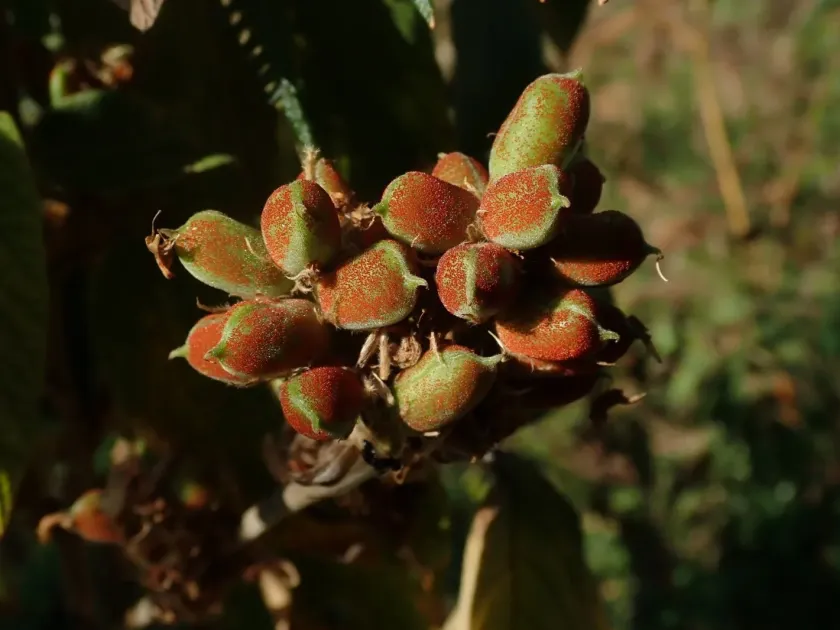
Description
Sowing dates
Flemingia grahamiana is a perennial shrub belonging to the Fabaceae family, commonly utilized in tropical agroforestry systems. Sowing is typically scheduled for the onset of the rainy season to ensure sufficient moisture for seedling establishment.
Seeds possess a hard seed coat and require scarification to break dormancy and ensure uniform germination. They should be planted at a depth of 1 to 2 centimeters in a well-prepared seedbed to maximize early growth rates.
While direct seeding is possible, nursery-raised seedlings are often preferred to minimize mortality. Transplants should be moved to the field when they reach a height of approximately 20 to 30 centimeters.
Standard spacing is usually set between 1 and 1.5 meters, depending on the specific application, such as alley cropping or creating hedgerows. Proper spacing ensures adequate access to sunlight and soil nutrients.
The initial growth phase is relatively slow, requiring careful management of competing weeds. Regular weeding during the first few months is essential to allow the plant to develop a robust root system.
Growing requirements
This species is well-adapted to tropical and subtropical environments with distinct wet and dry seasons. It shows remarkable tolerance to a wide range of soil types, including those with low fertility and high acidity.
The plant thrives in areas receiving moderate to high rainfall. Although it can tolerate short dry spells, sustained drought conditions may negatively impact biomass production and overall plant health.
Optimal soil conditions include good drainage, as waterlogged soils can lead to root system decay. The plant prefers pH levels in the acidic range, typically between 5.0 and 6.5, making it suitable for degraded soils.
Flemingia grahamiana is shade-tolerant, which makes it an excellent candidate for intercropping with tree crops. It can maintain productivity even under partial canopy cover, providing nitrogen to neighboring plants.
Exposure to full sunlight promotes the formation of a denser, more bush-like structure. This is particularly advantageous when the primary goal of cultivation is the harvesting of leafy biomass for mulching purposes.
Yield
The primary economic output of Flemingia grahamiana is its abundant leaf biomass. When managed correctly through repeated pruning, it can yield significant amounts of organic matter, acting as a high-quality green manure.
Regular pruning not only stimulates new foliage growth but also helps in maintaining the desired hedge structure. Yields are cumulative, meaning that more frequent harvests under favorable conditions lead to higher annual biomass output.
Seed production usually commences once the plants reach maturity, typically after two to three years of growth. Harvesting seeds requires monitoring for optimal maturity to prevent premature shattering of the pods.
The plant also produces resinous secretions from its glands, which have been historically used in various traditional applications. While not a primary agricultural commodity, these secondary products hold niche value.
Integration of this legume into agricultural plots can improve the yields of companion crops by up to 20%. This improvement is largely attributed to nitrogen fixation and the retention of moisture in the soil through mulch.
Main diseases and pests
Flemingia grahamiana is generally hardy and shows good resistance to most common pests. However, infestations of aphids or spider mites may occur during periods of stress, requiring monitoring and early intervention.
Root rot is a major threat in soils with poor drainage. If water does not permeate the ground effectively, the resulting saturated conditions promote fungal pathogens that target the delicate feeder roots of the shrub.
Leaf spot diseases, often caused by high humidity and poor air circulation, can reduce the photosynthetic capacity of the plant. Maintaining proper spacing and pruning dense foliage can help mitigate these fungal risks.
Soil-borne insect larvae occasionally target the root collar of younger plants. Crop rotation or the use of healthy, vigorous seedlings can significantly reduce the vulnerability of the plantation to such attacks.
Practicing sanitary pruning is vital to manage the health of the stand. Removing and destroying infected or dead plant material helps to prevent the spread of diseases within a dense cultivation plot.