
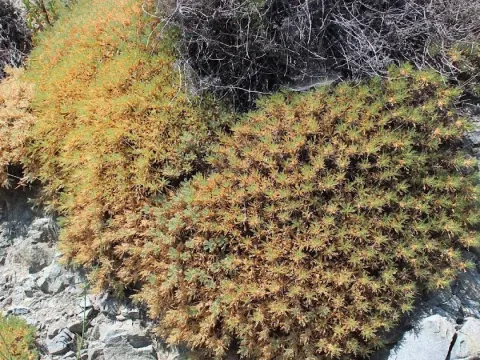
Hedgehog milkvetch
Astragalus echinus
Hedgehog milkvetch (Astragalus echinus) belongs to the Fabaceae family. This perennial herbaceous plant is known for its remarkable adaptation to arid and semi-arid environments.
What the section contains
Hedgehog milkvetch
The plant possesses a deep taproot system, which serves as a vital survival mechanism in regions with irregular precipitation. It typically thrives in rocky or sandy soils that offer excellent drainage.
Soil requirements for this crop focus on aeration and moderate pH levels. It is highly sensitive to waterlogging, as poorly drained soils often lead to rapid decline and root infection.
Climate conditions suitable for Astragalus echinus include long photoperiods and high solar radiation. It is considered a drought-tolerant crop that can withstand extreme temperature fluctuations.
Agronomic management requires weed control during the establishment phase, as the plant grows slowly in its first year. Once established, it becomes a robust species capable of outcompeting surrounding vegetation.
The most common disease threat involves various root rots, typically triggered by soil compaction or excessive irrigation. Improving soil drainage is the primary defense strategy for growers.
Pests such as weevils represent a significant challenge, as they target root nodules and suppress the plant's nitrogen-fixing capabilities. Effective pest management requires regular field inspections.
Leaf-feeding insects can cause significant damage to the canopy, particularly during dry spells when plant recovery is slowed. Biological control methods are preferred to maintain the health of the field ecosystem.
Fungal pathogens like powdery mildew may occur in regions with high humidity. Proper plant spacing is essential to encourage air movement and reduce the risk of infection.
Monitoring for signs of nutrient deficiency is also critical, as it can make the plants more susceptible to secondary pest attacks. A balanced fertilization program helps maintain vigor and resistance.