
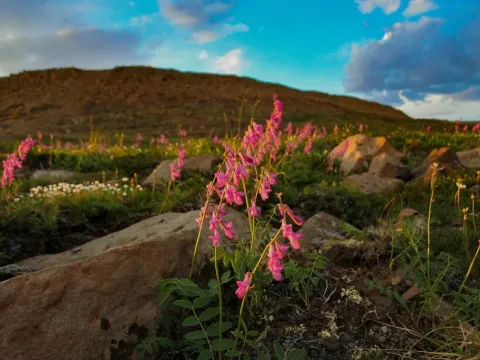
Hedysarum
Hedysarum
Sowing Hedysarum is typically performed in early spring as soon as the soil is workable. The seeds have a hard seed coat, which is why scarification is often recommended to improve germination rates and ensure a more uniform field establishment.
What the section contains

Hedysarum
The seeding rate varies depending on the specific cultivar and environmental conditions, generally ranging from 12 to 18 kilograms per hectare. Proper seedbed preparation is essential to provide good soil-to-seed contact, facilitating consistent moisture absorption.
Seeds should be sown at a shallow depth of 1 to 3 centimeters. Deeper planting can hinder the emergence of seedlings, particularly in heavier soil types. Rolling the field after sowing is a common practice to firm the soil surface and improve capillary action.
Hedysarum exhibits slow initial development, which makes competition with weeds a significant challenge in the first year. Intercropping or sowing under a cover crop can help manage weed pressure until the legume establishes a more robust root system.
As a perennial crop, Hedysarum provides long-term productivity, often remaining productive for many years in the same location. Careful planning of the field layout is important to optimize management practices throughout the crop's lifespan.
Hedysarum is highly valued for its drought tolerance and adaptability to diverse climates. Its deep taproot allows the plant to access moisture from subsoil layers, making it an excellent candidate for semi-arid environments where other crops struggle.
The plant thrives in a variety of soil types, including stony, calcareous, and nutrient-poor soils. It is particularly efficient at biological nitrogen fixation, which contributes to soil fertility and reduces the need for synthetic nitrogen fertilizers.
Optimal growth is achieved in well-drained soils with a neutral to slightly alkaline pH. While it is tolerant to various conditions, waterlogged soils or standing water can be detrimental, potentially causing root rot and reduced plant density.
Hedysarum exhibits excellent winter hardiness, allowing it to withstand extreme temperature fluctuations and cold winters. This robustness makes it a reliable choice for high-altitude regions and areas with severe seasonal transitions.
Full sun exposure is crucial for the development of Hedysarum. The plants do not compete well in shaded areas, and insufficient light can significantly reduce biomass yield, flowering intensity, and overall plant health over successive seasons.
The forage yield of Hedysarum is substantial, often producing high-quality hay rich in proteins and essential micronutrients. Annual yields can range from 2 to 4 tons per hectare depending on the site fertility and annual precipitation levels.
The crop is highly palatable to livestock, including sheep, cattle, and horses, making it an excellent forage source. Its high nutritional profile contributes to improved weight gain and overall animal health compared to standard grass pastures.
Hedysarum demonstrates strong regrowth potential after mowing or grazing. This characteristic enables multiple harvests within a single growing season, maximizing the total forage output from a given area while maintaining ground cover.
Seed production is another potential revenue stream for agricultural enterprises. With proper management and the presence of pollinators, such as bees, yields of 200 to 500 kilograms of seed per hectare can be achieved under favorable conditions.
Productivity typically peaks in the third to fifth year of the stand's life. As the stand ages, periodic monitoring of biomass density is advised to determine when renovation or reseeding of the plot may be necessary for sustained output.
Hedysarum is generally resistant to many common agricultural diseases, though it can be affected by fungal infections like powdery mildew in humid, stagnant conditions. Maintaining adequate airflow through the stand is a primary preventative measure.
Insect pests such as weevils can damage both the foliage and the developing seeds. Integrated pest management strategies, including monitoring and biological control, help to minimize the damage and protect the crop's reproductive health.
Root-related issues, such as crown rot, may occur if the soil remains excessively moist for long durations. Improving field drainage is the most effective way to prevent these issues and ensure the longevity of the perennial crop.
Weed management is critical during the establishment phase. Early identification and manual or chemical removal of invasive weeds ensure that the young Hedysarum plants have sufficient access to space, light, and nutrients to flourish.
Standard farm hygiene, such as cleaning machinery before moving between fields, helps to prevent the spread of soil-borne pathogens. Monitoring the health of the stand throughout the season allows for timely interventions if necessary.
The optimal time for hay harvest is during the early to full flowering stage. This timing captures the ideal balance between biomass quantity and the nutritional quality of the forage, ensuring a high protein content for livestock feed.
During the drying process, care must be taken to prevent excessive leaf shattering, as the leaves contain the highest concentration of nutrients. Modern hay-making equipment helps to gently process the crop and maintain quality.
Seed harvest should be timed when the pods turn brown and start to mature. Since the pods are prone to shattering, timely harvesting with a combine set to low-intensity settings is essential to minimize grain loss during the operation.
For grazing systems, managed rotation is recommended to avoid overgrazing. Maintaining a minimum stubble height encourages rapid regrowth and protects the crown of the plant, which is vital for the survival of the perennial root system.
After the harvest season, fields should be checked for winter readiness. Ensuring that the crop has enough cover before the frost sets in helps maintain plant vigor, setting the stage for strong growth in the following spring.