
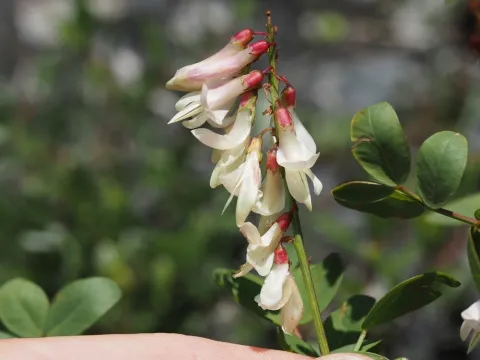
Hedysarum boutignyanum
Hedysarum boutignyanum
Hedysarum boutignyanum is a perennial herbaceous plant belonging to the Fabaceae family. This species is recognized for its ecological importance and potential as a fodder crop, particularly in challenging environments where other legumes might struggle.
What the section contains
Hedysarum boutignyanum
Originating from the mountainous regions of Europe, the plant is well-adapted to high-altitude climates. It has evolved to thrive in rocky and calcareous soils, demonstrating a high tolerance for varying environmental conditions and thermal stress.
The crop thrives in well-drained, alkaline to neutral soil profiles. Proper aeration is crucial, as the root system requires adequate oxygen to function efficiently and maintain its symbiotic relationship with nitrogen-fixing bacteria.
Climate requirements include significant exposure to sunlight and cold tolerance, allowing the plant to survive harsh winters. It is relatively drought-tolerant once established, thanks to its deep and robust root architecture.
Agricultural management involves careful preparation of the seedbed and initial weed control. As a nitrogen-fixer, Hedysarum boutignyanum acts as a natural soil conditioner, improving fertility for subsequent crops in a rotation cycle.
Sowing should take place in early spring once soil temperatures are stable. Seed spacing and depth must be calibrated to ensure optimal establishment, as the seedlings are delicate during their first weeks of growth.
While the total biomass production varies by location, the nutritional quality of the forage is consistently high. The crop provides excellent protein content, making it a valuable addition to livestock dietary programs.
Susceptibility to pathogens increases in stagnant air or water-logged conditions. Effective pest management requires integrated approaches to minimize reliance on chemicals while protecting the field from common legume insects.
Harvesting for fodder is best performed at the onset of the flowering stage to optimize nutrient density. Proper drying processes are essential if the plant is being preserved as high-quality hay for winter feeding.