
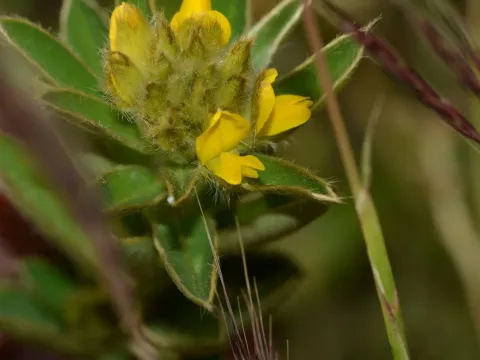
Crotalaria nana
Crotalaria nana
Crotalaria nana is an annual leguminous plant that is typically sown during the warmer months when soil temperatures consistently exceed 15 degrees Celsius.
What the section contains
Crotalaria nana
The seeds should be planted at a shallow depth of approximately 1 to 2 centimeters to ensure optimal germination rates under favorable moisture conditions.
For cover cropping purposes, drilling in rows spaced 15 to 20 centimeters apart is recommended to provide better canopy coverage and suppress weed growth.
Initial irrigation after sowing is essential in drier climates to facilitate rapid seed emergence and establishment of the root system.
Field preparation should involve light cultivation to create a fine tilth, which supports uniform seed placement and encourages consistent germination across the plot.
This species thrives in well-drained sandy or loamy soils and is particularly valued for its adaptability to varying levels of soil fertility.
As a legume, it forms a symbiotic relationship with rhizobia bacteria, allowing for efficient atmospheric nitrogen fixation in nitrogen-depleted soils.
Exposure to full sunlight is critical for the development of robust plants; shade can significantly reduce biomass accumulation and delay flowering.
Crotalaria nana exhibits notable tolerance to periods of water stress, although consistent moisture during the vegetative phase maximizes its biomass yield.
It is sensitive to frost and does not tolerate freezing temperatures, making it strictly a warm-season crop in temperate agricultural zones.
Biomass production of Crotalaria nana can reach significant levels, often yielding between 15 to 25 tons of green matter per hectare under ideal conditions.
Harvesting the crop during the early flowering stage ensures the highest concentration of nitrogen, which effectively boosts the productivity of following crops.
The yield of green manure is heavily influenced by the plant population density and the availability of essential micronutrients during early growth stages.
Seeds are produced in pods, and with careful management, farmers can achieve a sustainable yield of seeds for subsequent seasonal plantings.
Enhancing soil organic carbon through the incorporation of this biomass improves the overall physical and chemical properties of the farmland.
Root rot is the most common threat to Crotalaria nana, particularly in waterlogged or poorly drained fields where aeration is insufficient.
Insects such as leaf-eating beetles can cause damage during the active vegetative stage, requiring periodic field scouting and integrated pest management.
Root-knot nematodes can impact the vigor of the plant, making crop rotation an essential practice to maintain long-term field health.
Fungal leaf spot diseases may emerge in high humidity conditions, especially in crops sown at high densities where air movement is restricted.
Maintaining proper field hygiene and avoiding the continuous monoculture of legumes are effective ways to mitigate disease and pest pressure.
Incorporation into the soil is best achieved by mowing the crop followed by disking or plowing it into the top 10 to 15 centimeters of the profile.
Mowing should occur before pods mature to prevent the plants from becoming overly lignified, which would slow down the decomposition process.
For seed production, harvesting must be executed promptly once pods transition to a brown color to prevent shattering and loss of potential yields.
Post-harvest processing involves drying the harvested pods in a well-ventilated area before threshing to separate the seeds from the chaff.
Effective management of crop residues ensures that nitrogen fixed by the plant is released gradually into the soil, benefiting the subsequent crop in the rotation.