
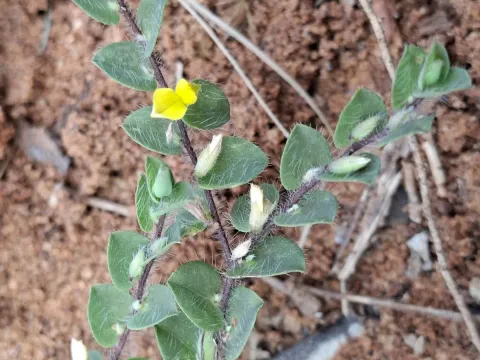
Crotalaria hebecarpa
Crotalaria hebecarpa
Sowing Crotalaria hebecarpa should take place once the soil has warmed sufficiently, typically when the risk of spring frost is over. Ideal soil temperatures for rapid germination range between 18 and 20 degrees Celsius.
What the section contains
Crotalaria hebecarpa
Seeding rates depend heavily on the intended use; higher densities are required for green manure applications to maximize biomass, while lower rates suffice for seed production. Row spacing usually ranges from 15 to 30 centimeters.
Seeds should be planted at a depth of 2 to 3 centimeters, ensuring they are covered with enough soil to retain moisture while allowing easy emergence. On lighter, sandier soils, a slightly deeper placement is sometimes preferred.
Proper seedbed preparation is essential to ensure consistent soil-to-seed contact. The field should be cleared of perennial weeds and leveled to promote uniform germination across the entire area.
Scarification of seeds before planting is a recommended practice to break dormancy and increase germination rates. This simple mechanical treatment significantly improves water absorption and uniform plant establishment.
This legume species thrives in warm climates and shows excellent adaptability to various soil types. It is particularly valued for its drought tolerance, allowing it to grow in regions with irregular rainfall patterns.
Sunlight is critical for the development of Crotalaria hebecarpa, as it performs best in full-sun conditions. Shading by other crops or dense weed populations will severely stunt its growth and nitrogen-fixing capacity.
The crop prefers well-drained soils with a pH ranging from neutral to slightly acidic. It is sensitive to waterlogging, so choosing a site with good surface and subsurface drainage is vital to prevent root damage.
Although it fixes nitrogen naturally, the availability of phosphorus and potassium in the soil is crucial for robust root and plant development. Soil testing is recommended to determine if supplemental fertilization is needed.
Beneficial soil microorganisms are essential for effective nodulation. If the soil has not previously hosted similar legumes, inoculating the seeds with specific rhizobia strains can drastically improve plant performance.
Crotalaria hebecarpa produces a significant amount of green biomass, making it an excellent candidate for organic soil improvement. The rapid accumulation of organic matter helps restore soil structure and fertility.
For seed production, harvesting should be timed carefully. Producers aim to collect seeds when the majority of pods turn dark, reducing the risk of shattering and seed loss in the field.
As a green manure crop, it should be incorporated into the soil during the early flowering stage. This timing captures the highest levels of nitrogen and nutrients stored within the plant tissues before seed formation.
Yield levels depend heavily on management practices, including weed control and adequate moisture during the early vegetative phase. Proper inoculation further ensures that the plant reaches its biological potential.
The incorporation of this biomass into the cropping system typically leads to increased yields for subsequent cash crops. This makes Crotalaria hebecarpa a strategic tool for sustainable and regenerative farming systems.
The crop is susceptible to various pests, including moth larvae and certain types of beetles that can cause defoliation. Regular scouting of the field is necessary to catch and treat infestations early.
Fungal pathogens and root rots may occur if the soil is consistently too wet. Following a strict crop rotation cycle and ensuring proper drainage helps minimize these risks significantly.
Root-knot nematodes can potentially damage the root system, inhibiting the plant's ability to fix nitrogen. Selecting resistant varieties or practicing long-term rotation is the best management approach.
Weed competition during the first 30 days is a primary challenge. Mechanical cultivation between rows is highly effective at controlling weeds while providing aeration to the developing root system.
Integrated pest management, combining the use of healthy seed lots and biological controls, is the most sustainable way to protect the crop. This approach ensures that soil health remains uncompromised.
Harvesting for green manure involves mowing or crushing the plant material followed by shallow incorporation into the topsoil. This process should occur before the stems become overly lignified and woody.
Mechanical harvesting for seeds should be done with equipment set to gentle speeds to avoid seed damage. Low humidity during harvest is crucial to prevent moisture-related quality issues in the seeds.
Post-harvest, seeds must be cleaned to remove chaff, pod fragments, and dust. Proper cleaning increases the storability and market quality of the seed lot for future seasons.
Leftover plant matter on the field can serve as a protective mulch, reducing soil erosion during the off-season. This adds a layer of protection against wind and water damage to the topsoil.
Seed storage conditions must be cool and dry to maintain high germination rates over time. Monitoring for moisture content and pest activity in storage is necessary to ensure the longevity of the seeds.